
Every guide is grounded in real repair work at our Plano shop and technically reviewed by founder Vytas Kucinskas before it carries the reviewed label. Sources and review dates are shown on every page.
The three questions we are asked most often, answered in full.
Move the car under cover, photograph everything before touching it — wide shots, close-ups, and the storm date — and confirm the hail event through official weather reports.
Texas Insurance & ClaimsDuring an adjuster inspection, the insurance adjuster examines your vehicle, counts and measures hail dents, and writes the initial repair estimate.
Paintless Dent RepairFor dents where the paint is intact and the panel is accessible, paintless dent repair is usually faster and less expensive than body-shop repair, and it preserves the factory paint.
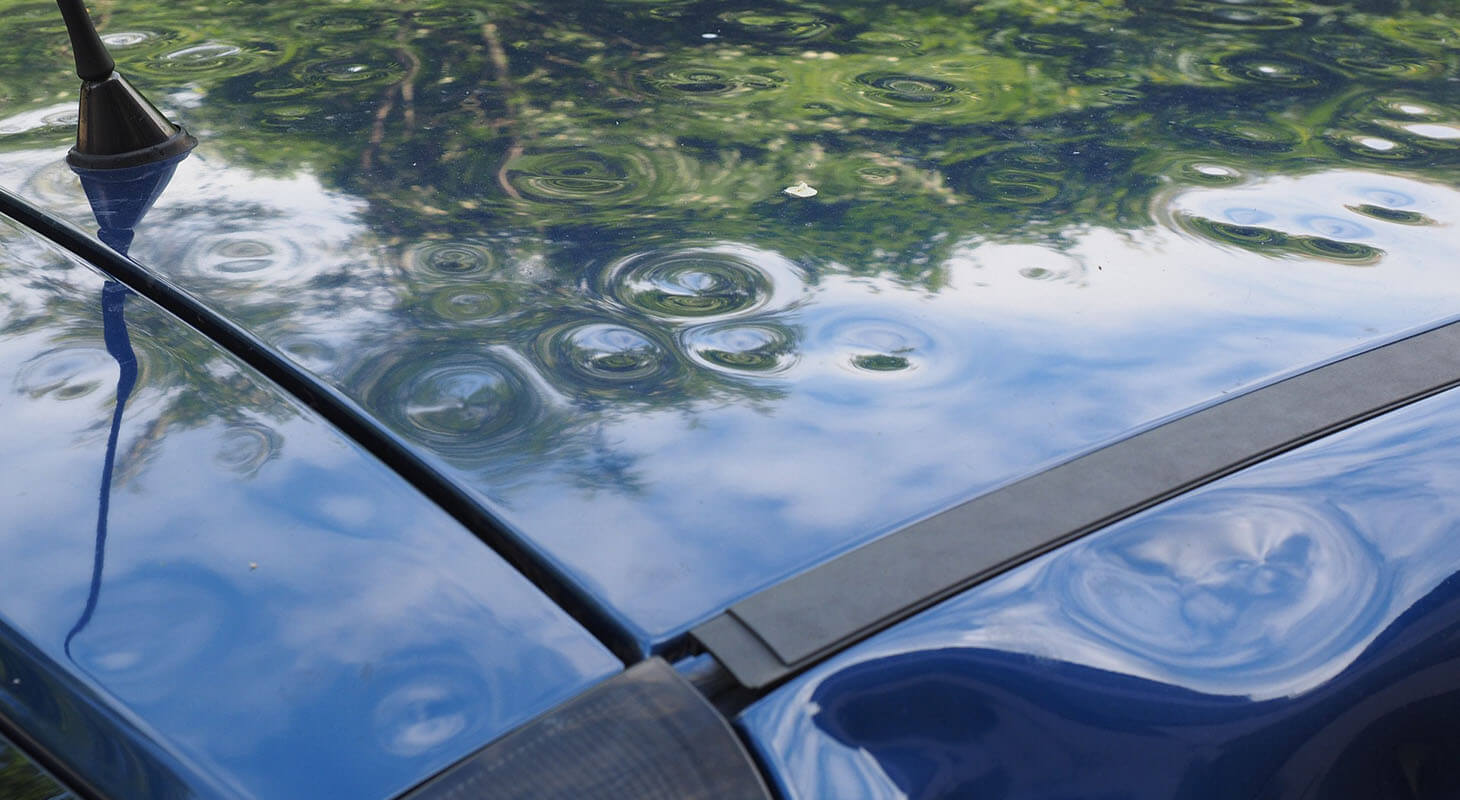
Usually, if you carry the coverage that matches the cause. Hail, falling branches, flying gravel and vandalism fall under comprehensive; hitting something falls under collision; a dent another driver caused is paid by their liability insurance, with no deductible for you.
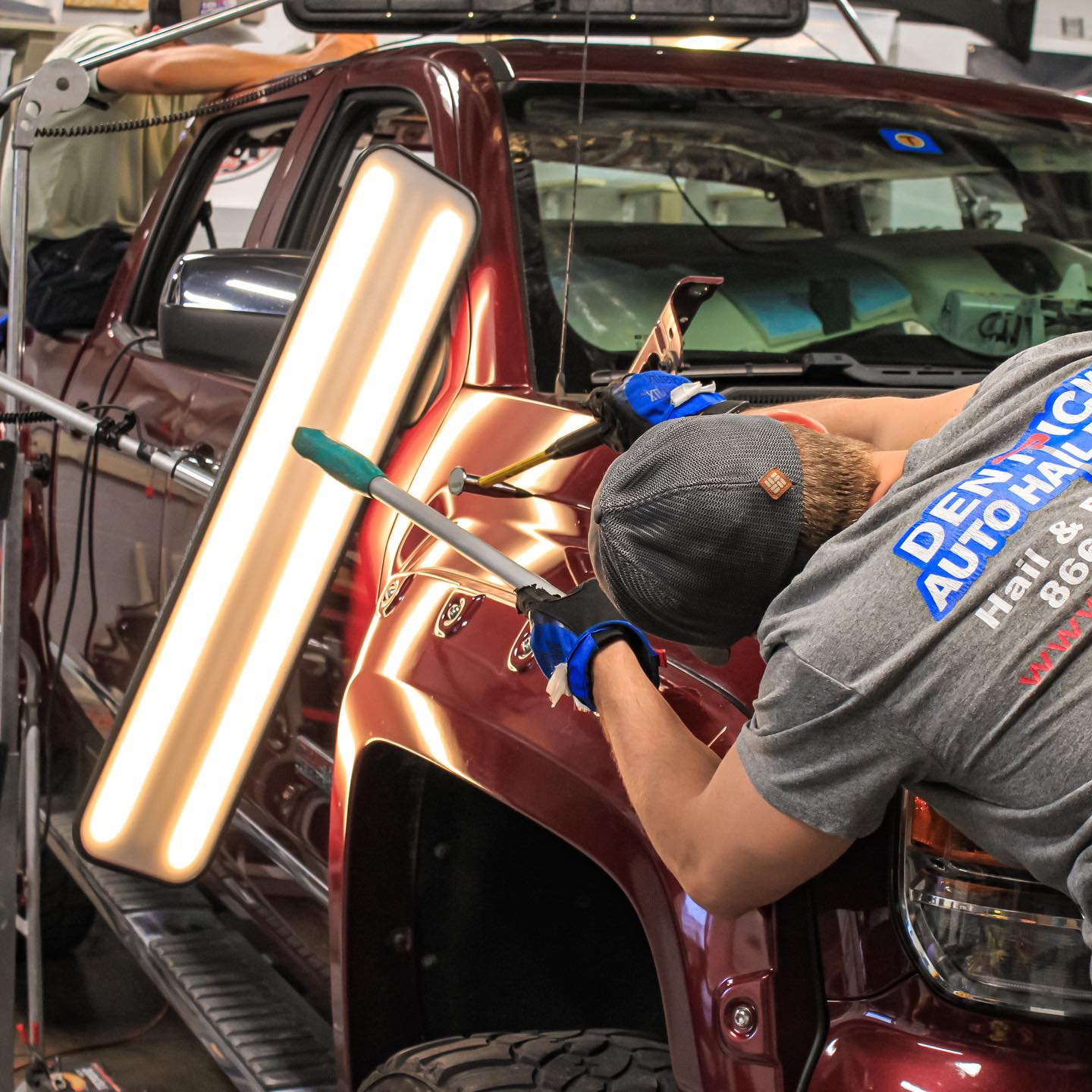
Hail damage on a car is repaired in stages. The vehicle is inspected under reflection lighting and every dent is counted panel by panel. The insurer's adjuster writes an estimate, and supplements add damage found later.
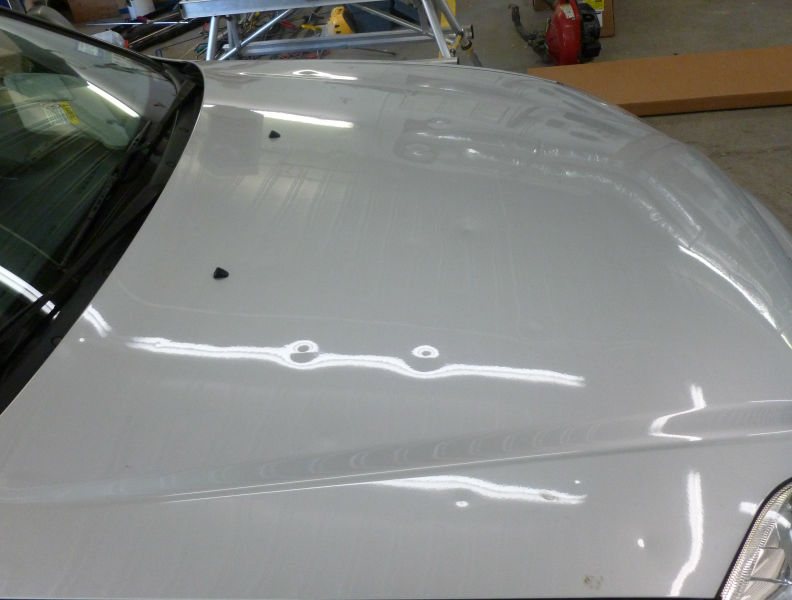
Often yes, but not always. Fixing minor hail damage usually pays off if you will trade, sell or return a lease within a couple of years, if any dent has chipped or cracked paint, or if another storm could mix new damage…
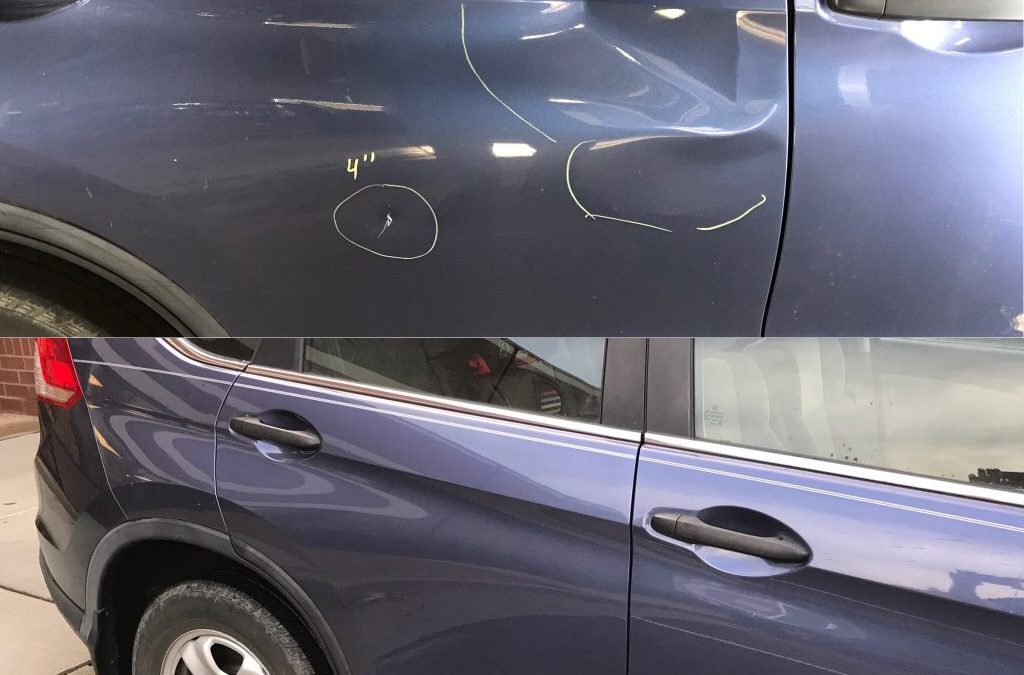
Yes, for most dents. Paintless dent repair keeps the factory paint because nothing is sanded, filled or resprayed, and on intact paint with good panel access it is very low risk.
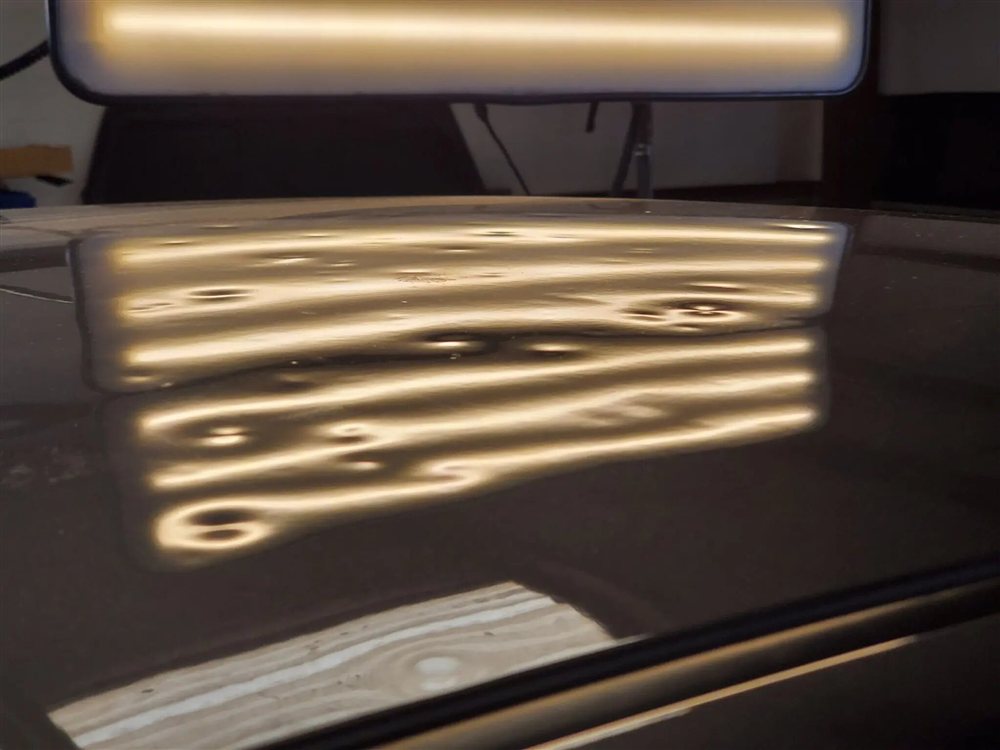
Texas gets so much hail because spring stacks every ingredient over the state at once: humid Gulf air near the ground, hot dry air from the Mexican Plateau and desert Southwest above it, a cap that lets energy build until the dryline…
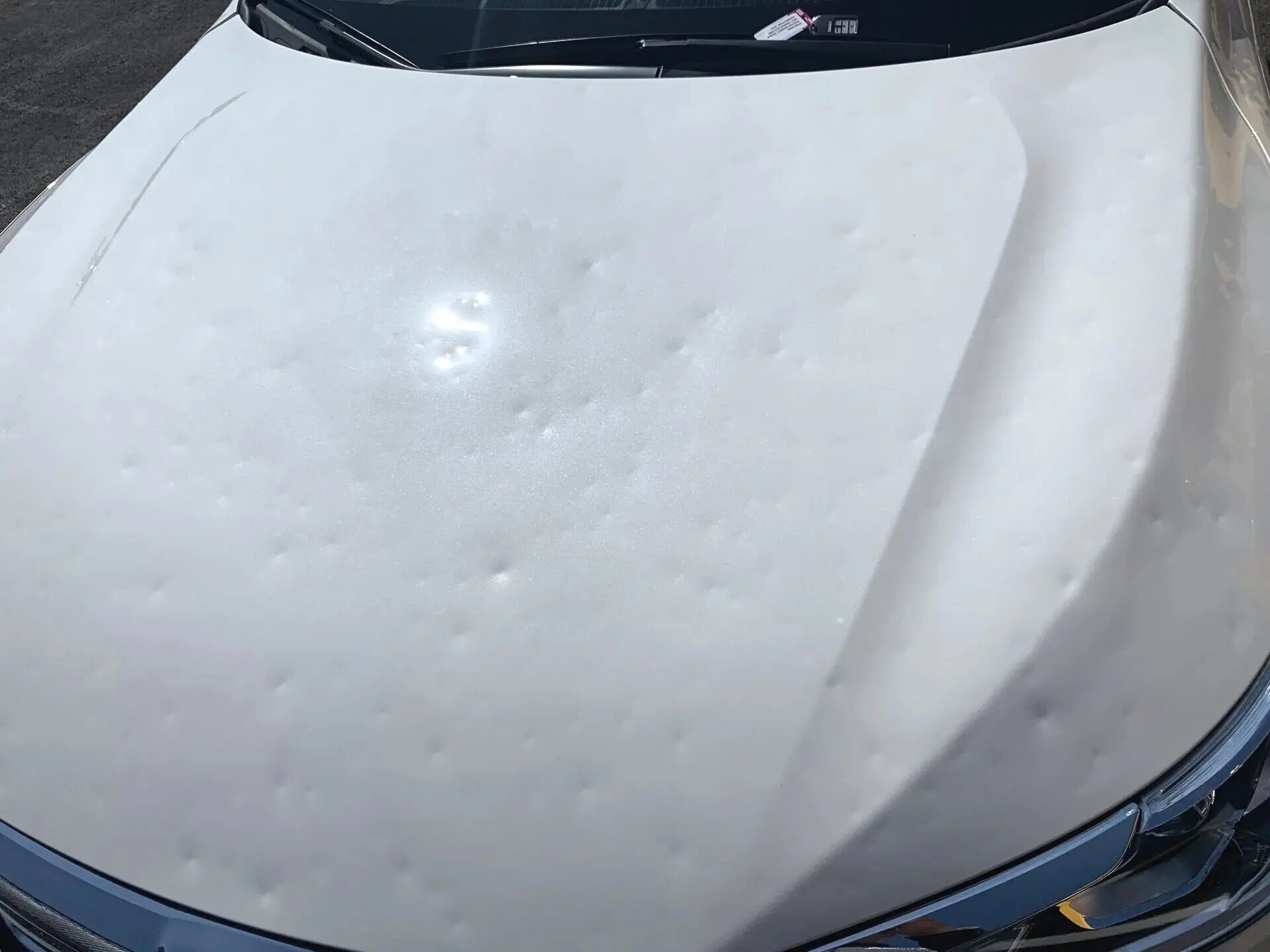
Move the car under cover, photograph everything before touching it — wide shots, close-ups, and the storm date — and confirm the hail event through official weather reports.
Yes. In Texas you have the right to choose the repair shop for your vehicle — an insurer cannot require you to use its preferred shop, although it can recommend one.
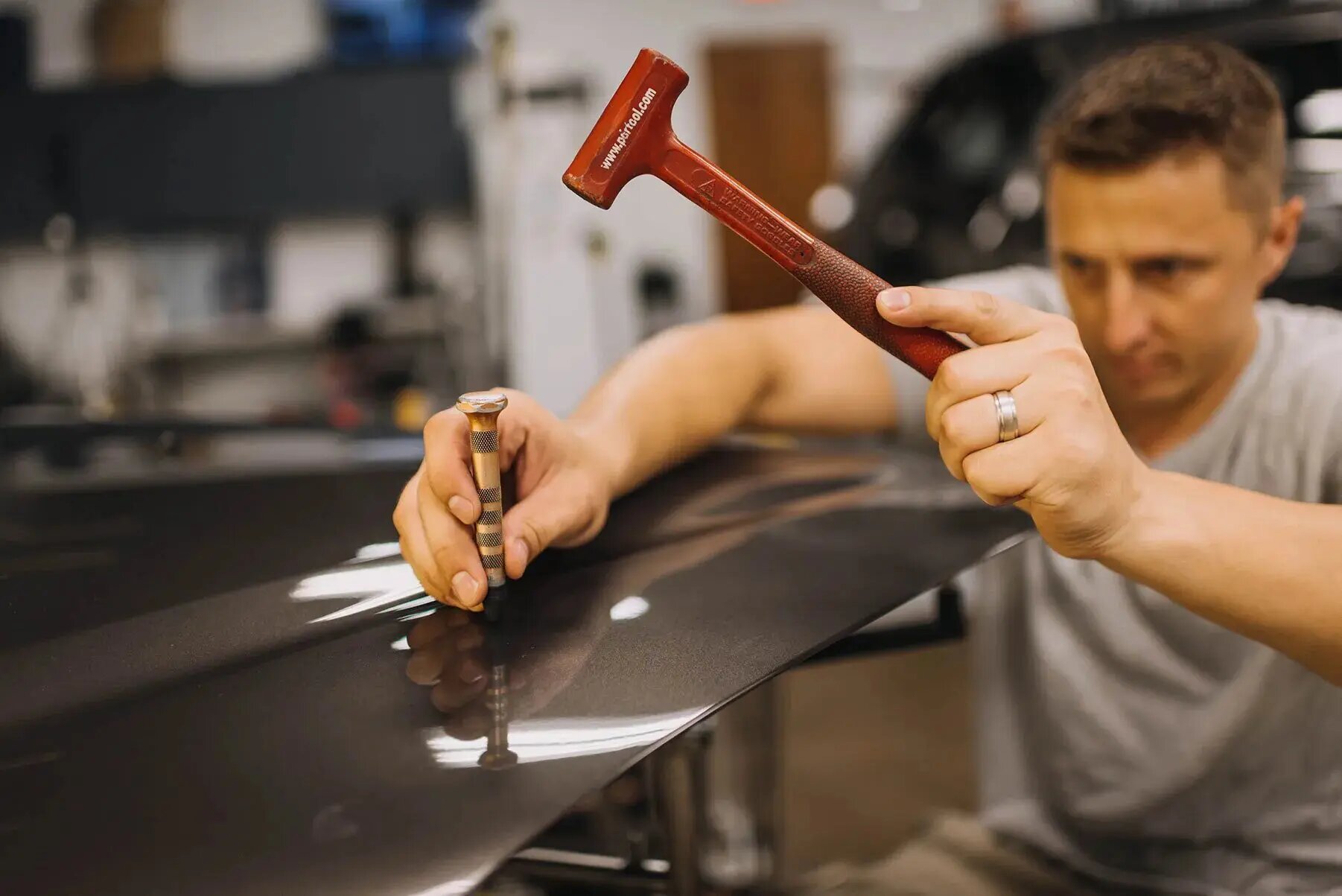
Paintless dent repair removes dents by reshaping the metal from behind the panel with precision rods, or from the front with glue pulling, while reflection lighting shows the technician exactly how the metal is moving.
Small door dings typically run about $75–$200, mid-size dents $150–$450, and large or complex panel work $400 and up at DFW-area specialty shops, based on DentPicks' own quoting history; full-vehicle hail repair is usually priced per panel and commonly paid by comprehensive…
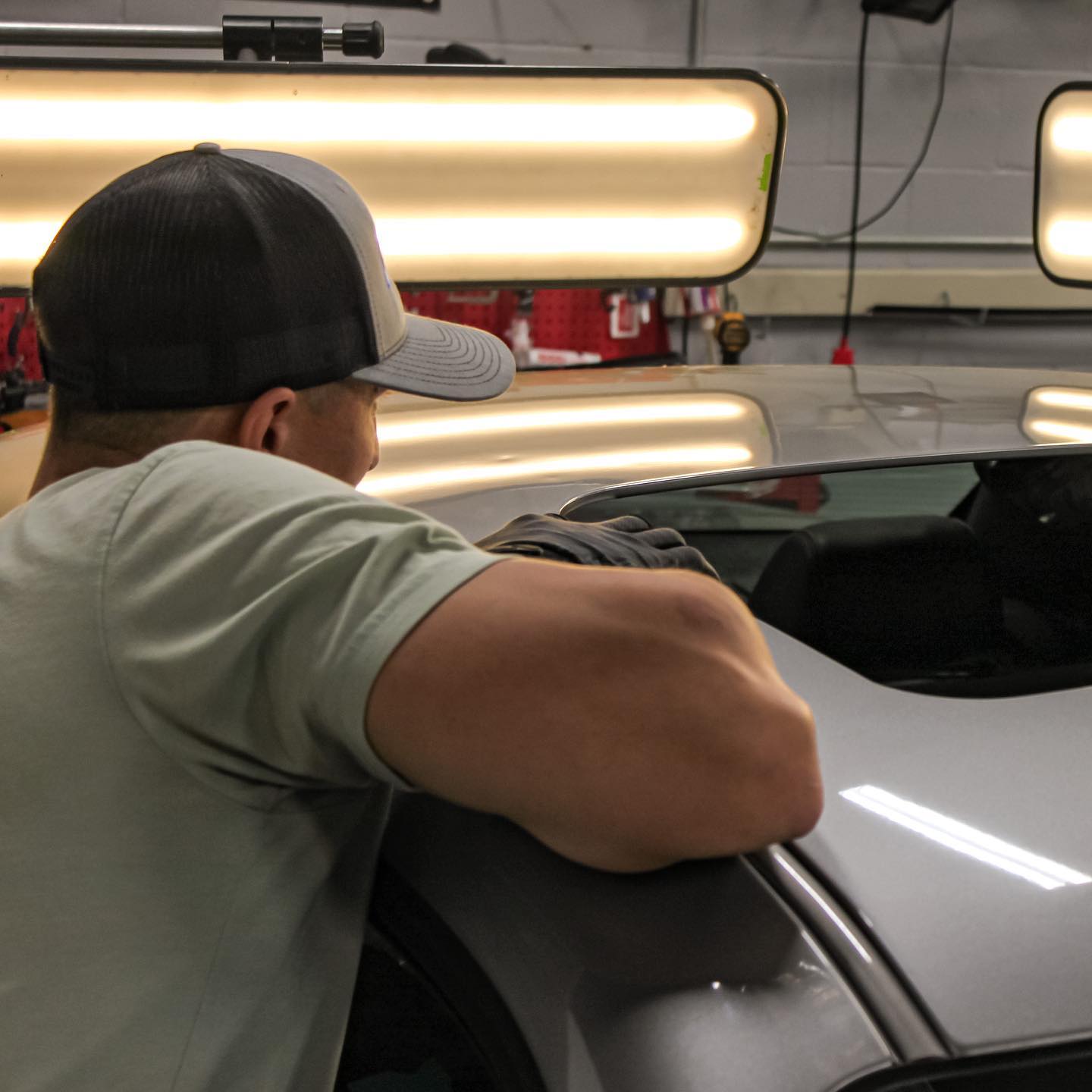
Once a claim is approved and the vehicle is in the shop, most full-vehicle hail repairs at DentPicks take about 5–10 business days; single dents are often same-day.
Most DFW hail falls in spring — roughly March through June, with May historically the most active month — though North Texas storms can produce hail in fall as well.
Before drop-off: remove personal items, note existing damage with the advisor, and bring your claim or estimate paperwork. A reasonably clean car helps the technician read the panels.
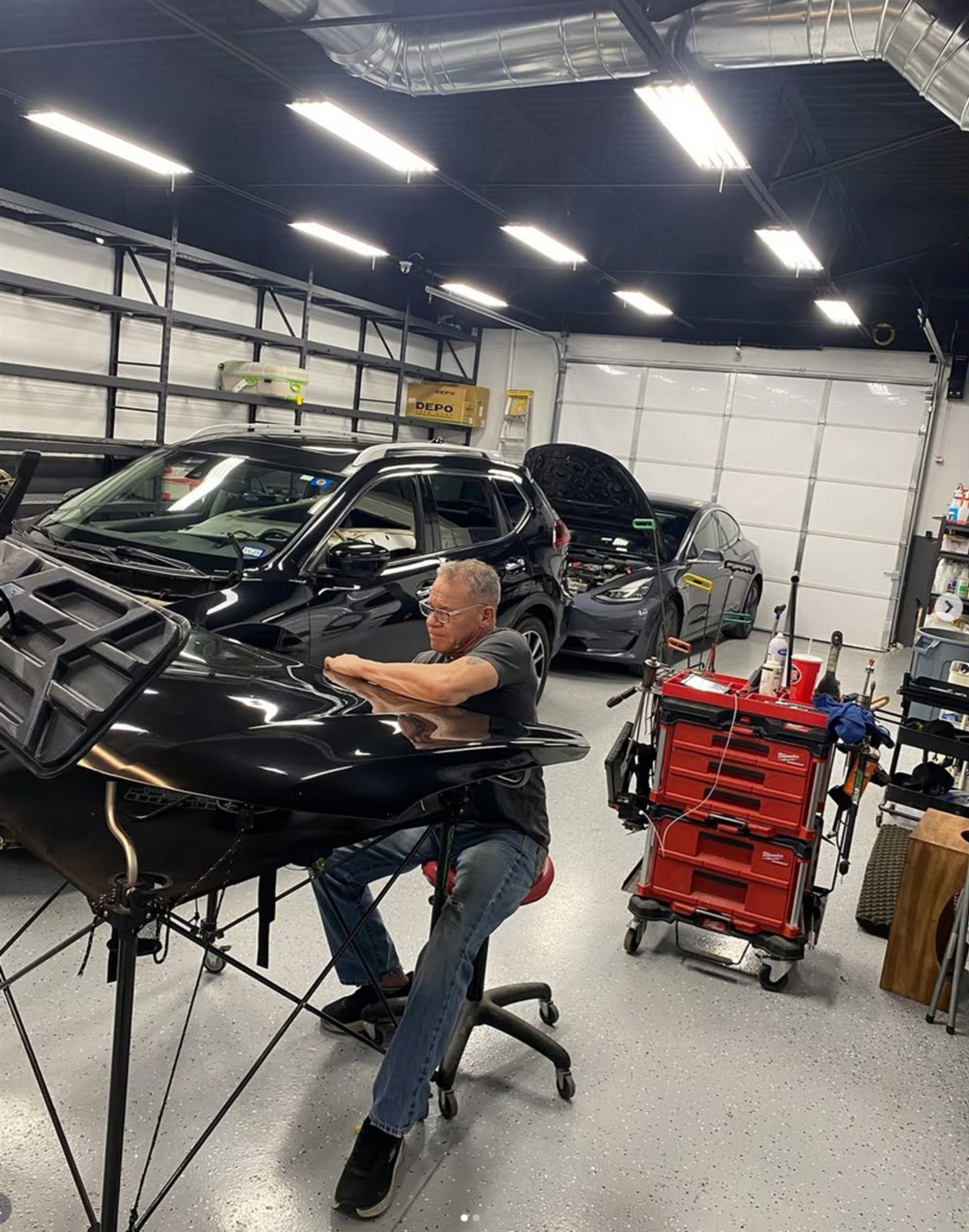
Every reviewed guide in this learning center is checked against what actually happens on the shop floor in Plano — 15+ years of paintless dent repair, thousands of vehicles, and technician training experience in the U.S. and Europe.
Meet Vytas and see his reviewed guides How DentPicks reviews repair adviceSend us photos of the damage or schedule an inspection at the Plano shop — we'll tell you honestly what your vehicle needs, what it should cost, and whether a claim makes sense.
Someone from the team will get back to you. If it is urgent, call (866) 336-8767 and you will reach the Plano shop.