

The short answer
Often yes, but not always. Fixing minor hail damage usually pays off if you will trade, sell or return a lease within a couple of years, if any dent has chipped or cracked paint, or if another storm could mix new damage with old. Leaving it is reasonable on a car you own outright and will keep long term, with intact paint and dated photos on file. Confirm the dent count under proper lighting first, because minor-looking damage is often undercounted.
 Written by the DentPicks Editorial Team
Technically reviewed by Vytas Kucinskas, Founder & Master PDR Technician
Written by the DentPicks Editorial Team
Technically reviewed by Vytas Kucinskas, Founder & Master PDR Technician
Published: Oct 1, 2026 · Last reviewed: Oct 1, 2026 · 10 min read
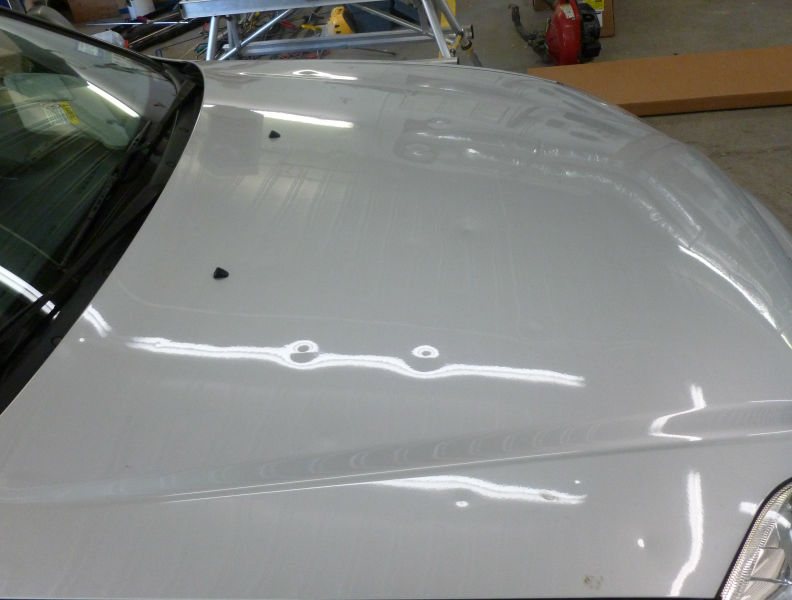
"It's only a few little dimples" is the most common thing North Texas drivers say about their car after a storm, and it is often true. Minor hail damage does not affect how a car drives, does not get worse on its own while the paint holds, and sometimes is not worth a claim or a repair at all. But "minor" is usually a judgment made in a driveway, in daylight, by the person who least wants a hassle. Before living with it, know what minor actually means and when it turns into a real cost.
This guide is about that earlier decision — whether to do anything with light damage at all. If you have already filed and been paid, our guides on taking a hail payout without repairing and whether you must repair after a hail payment pick up from that point.
First, find out whether it really is minor
Most owners count the dents they can see, and that number is nearly always low. Shallow hail dents have no hard edge and no color change, so in flat outdoor light they disappear, especially on white, silver and pale gray paint. Our guide on how hidden hail damage is found explains the lighting method. After an inspection under reflection lighting, "minor" tends to fall into one of these groups:
- Genuinely minor: a handful of shallow dents on one or two panels, factory paint unbroken, no glass, lamp, mirror or seal damage.
- Minor-looking but spread out: few dents visible from the driveway, but dozens across the roof, hood and decklid under line boards. This is the most common surprise, and it usually changes the insurance math.
- Small but not stable: only a few dents, but one or more has a chip or crack at the low point. The count is minor; the condition is not.
- Small but in a costly spot: a dent on a roof rail, near a panel edge, on a body line or on an aluminum panel — harder to repair and more likely to be noticed by an appraiser.
Only the first group is the kind of minor this article is really about. If the inspection puts you in one of the other three, weigh the rest with that in mind.
The five questions that decide it
Whether light hail damage is worth fixing rarely depends on the dents themselves. It depends on five things about you, the vehicle and the policy.
1. How and when will this car leave your hands?
This is the biggest single factor. A car you plan to keep until the wheels fall off absorbs a few roof dimples with almost no consequence. A car you will trade, sell or hand back at lease end within a couple of years is different, because each of those exits involves someone pricing the dents.
- Trade-in or dealer sale: appraisers tend to flag hail by panel and price it at body-shop rates rather than paintless repair rates — see how unrepaired dents affect an appraisal.
- Private sale: buyers are less systematic but more nervous, and visible dents invite haggling and questions about past claims.
- Lease return: turn-in inspections apply the lessor's wear standards. A few dents can stay under a size allowance; hail dimples across a hood usually do not. See which lease-return dents are worth repairing and our lease return dent repair page.
- Keeping it long term: the cosmetic loss mostly fades into the general wear of an older car. This is where leaving minor damage is most defensible.
2. What does the repair cost compared with your deductible?
For truly minor damage, the repair can land close to or under a typical comprehensive deductible, and a claim mostly adds paperwork. Our guide on paying cash versus filing a dent claim walks through that comparison.
The comparison flips when the inspection finds more than you expected. Once the count spreads across several panels, the repair tends to outgrow the deductible, and on approved hail claims DentPicks waives the deductible up to $1,000. That does not apply to every claim, so check it against your own numbers. Either way, compare with a real figure: photos submitted through the online form usually get a verbal range back in about 30 minutes. The claim decision is yours — you file it with your insurer, and a shop can help document the damage and walk alongside you, but cannot open or decide it for you.
3. What happens if it hails again?
In DFW this is not hypothetical. Hail dents carry no date, so if a second storm hits a car that still has unrepaired damage, the next adjuster has to separate old from new on the same panels. Damage that was claimed, paid and left unrepaired is commonly excluded from a later claim, because policies generally do not pay twice for the same loss. Damage that was never claimed does not block a new claim, but it still has to be separated out.
If you leave minor damage alone, document it: dated photos under good light, the storm date checked against the NOAA Storm Prediction Center storm reports, and ideally a panel-by-panel inspection record. Our guides on overlapping hailstorms and claims and pre-existing damage and a new hail claim cover how that evidence gets used. Coverage depends on the language of your policy, and your insurer or licensed agent can confirm how yours treats earlier damage.
4. Is the paint intact on every dent?
A small dent with unbroken factory paint can wait — sometimes for years — and still be a paintless repair later. A small dent with a chip or hairline crack at the bottom is the exception to every "it's only minor" argument. Open paint lets moisture reach the metal, Texas heat cycling keeps working at the edges, and once corrosion starts the repair can move from paintless work toward refinishing, with the cost moving alongside it. Clean the panel, look closely at each dent in shade or garage light, and treat any break in the finish as worth addressing soon. Hail damage and rust risk explains what to look for.
5. Did the storm touch anything that is not cosmetic?
A "minor" storm can still crack a windshield, chip a lamp lens, split a mirror housing or lift a sunroof or roof-rail seal. Glass in the driver's line of sight and broken lighting are safety items, and a lifted seal can let water into the headliner or cabin, which costs far more than the dents. Check those separately, whatever you decide about the sheet metal. The Texas Department of Insurance's after-hail consumer tips are a good neutral checklist.
The decision at a glance
The table assumes the inspection confirmed genuinely minor damage — a few shallow dents, paint intact, no glass or seal damage.
| Your situation | Usually reasonable | Main reason |
|---|---|---|
| Owned outright, keeping it many years, paint intact | Leave it, but document it | Cosmetic loss fades; documentation protects a future claim |
| Trading in or selling within about two years | Get a repair figure before the appraisal | Appraisers price dents at body-shop rates, often above the repair |
| Leased, turn-in within the term | Check the lessor's standard, then decide | Hail on hood and roof is commonly charged at turn-in |
| Financed | Read the loan terms before skipping repair | Lenders may require claim proceeds to go to the collateral |
| Any dent with chipped or cracked paint | Address that dent sooner | Open paint is a corrosion entry point |
| Repair figure under your deductible | Pay cash or leave it | You would pay the full repair either way |
| Count grew after inspection, several panels | Compare a claim against the deductible again | Light-looking damage often outgrows the deductible |
When leaving it is a perfectly reasonable choice
Sometimes the right call is to do nothing to the metal. Leaving minor hail damage tends to be reasonable when all of these are true:
- You own the vehicle outright and plan to keep it for a long time.
- An inspection under proper lighting confirmed the damage is light.
- Every dent has intact paint, and glass, lamps, mirrors and seals are undamaged.
- The dents do not bother you.
- You have dated photos and the storm date on file in case another storm hits.
An older commuter car with a few roof dimples nobody can see from the ground is the classic example. Leaving intact-paint dents now does not rule out repairing them later, for example just before you sell. Keep re-checking the paint; re-inspecting older hail damage suggests a sensible routine.
When "minor" is usually a false economy
Some patterns come up again and again where skipping the repair ends up costing more than the repair would have:
- A newer vehicle you will trade soon. The appraisal deduction is likely to exceed what a paintless repair costs, and you take that hit at the worst moment — while negotiating.
- A lease with a hood or roof of light dimples. The charge is calculated on the lessor's terms, not yours.
- Undocumented damage heading into storm season. A second storm turns two small problems into one argument with an adjuster.
- Any broken paint. A chip ignored for two summers can be the reason a panel needs refinishing.
Middle options people overlook
- Inspect and document now, repair later. A free inspection gives you an accurate count and a record; you can wait until a sale, trade or lease return is close.
- Repair only the paint-damaged dents first, while the intact ones wait.
- Repair only the panels that will be judged. Before a trade-in, the hood and roof matter most. Ask for the estimate panel by panel.
- Re-run the claim math after the inspection. A higher real count may now favor a claim. Your insurer or agent can tell you how a comprehensive hail claim is treated on your policy, our guide on hail claims and renewal effects covers the general picture, and the TDI automobile insurance guide explains how the coverage parts fit together.
If you do repair it
Most minor hail damage with intact paint is a straightforward paintless repair. Repairability still depends on paint condition, metal stretch, panel access and prior repairs, and some panels genuinely do need refinishing or replacement. DentPicks repairs carry a written lifetime warranty for as long as you own the vehicle; it is not transferable, so read your written terms for what is covered.
Send photos through the online form for a verbal range, or bring the car to the Plano shop for a free read under reflection lighting, then decide with a real dent count and a real number in front of you. If the damage is not worth fixing or claiming, you will hear that too. See our hail repair page or start a quote request.
Frequently asked questions
Can minor hail damage be repaired without repainting?
Usually. Shallow hail dents with unbroken factory paint are typical paintless dent repair candidates. Repairability still depends on paint condition, metal stretch, panel access and prior repairs, and some panels genuinely do need refinishing or replacement, so the call is made on the panel under lighting.
Does minor hail damage get worse if I leave it?
Not while the paint is intact. A dent with unbroken finish stays stable and can usually still be repaired paintlessly later. A dent with a chip, crack or exposed metal is different, because moisture can reach the metal and corrosion can push the repair toward refinishing.
Is it worth filing an insurance claim for a few hail dents?
Only if the repair meaningfully exceeds your deductible. For truly light damage it often does not. Get a real figure first, because an inspection under reflection lighting frequently finds more dents than were visible, and on approved hail claims DentPicks waives the deductible up to $1,000.
Will minor hail dents lower my trade-in value?
They can. Appraisers tend to price visible dents at body-shop rates by panel, so even light damage on a hood or roof may show up as a deduction. On an older, high-mileage car the effect is often smaller. Get a repair figure before the appraisal.
What if another hailstorm hits before I repair?
The new adjuster has to separate old damage from new on the same panels. Damage that was already claimed and paid but left unrepaired is commonly excluded from a later claim. Dated photos and an inspection record after each storm make that separation far easier.
Do I have to fix minor hail damage on a leased car?
Not during the lease, but it is normally assessed at turn-in against the lessor's wear standards, and hail on the hood or roof is commonly charged. Check your lease's damage guide and get the dents quoted well before the return date.
Sources and methodology
- After hail or windstorms: consumer tips — Texas Department of Insurance.
- Automobile insurance guide — Texas Department of Insurance.
- Severe weather storm reports — NOAA Storm Prediction Center.
Repair, cost and timing statements that are not tied to a listed source come from DentPicks' own quoting and repair history at the Plano, TX shop. They are typical ranges and shop-floor observations, not industry statistics or promises — your vehicle, its condition, your policy language and your insurer determine your specific outcome.
Not sure your hail damage is worth fixing?
Send photos through the online form for a verbal range, or bring the car to Plano for a free read under reflection lighting. If it is not worth fixing or claiming, we will tell you.