Every guide is grounded in real repair work at our Plano shop and technically reviewed by founder Vytas Kucinskas before it carries the reviewed label. Sources and review dates are shown on every page.
Usually yes. Hail deforms the outer panels, not the frame, brakes or drivetrain, so a car with dents but intact glass and lighting is normally safe to drive.
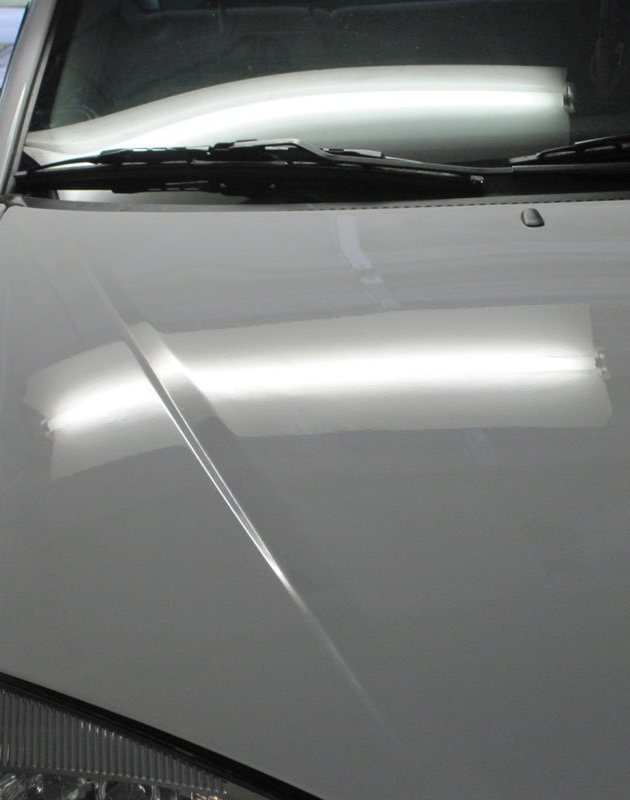
They get handled as two different repairs. Dents with intact paint can usually be worked out paintless, while scratches, scuffs and chips that break the finish need refinishing — more steps, more time, more cost. Metalwork comes first, then paint.
Not always. If the supplement was written before any disassembly and the carrier is clearing it on documentation, the car is usually drivable and can go home until approval or parts arrive.
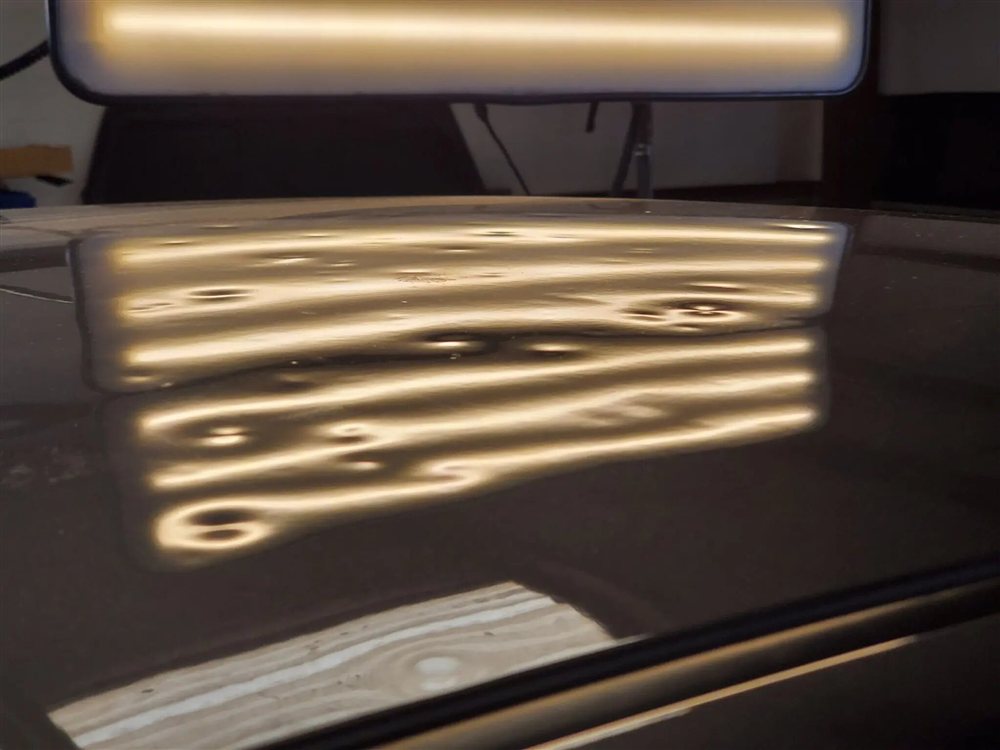
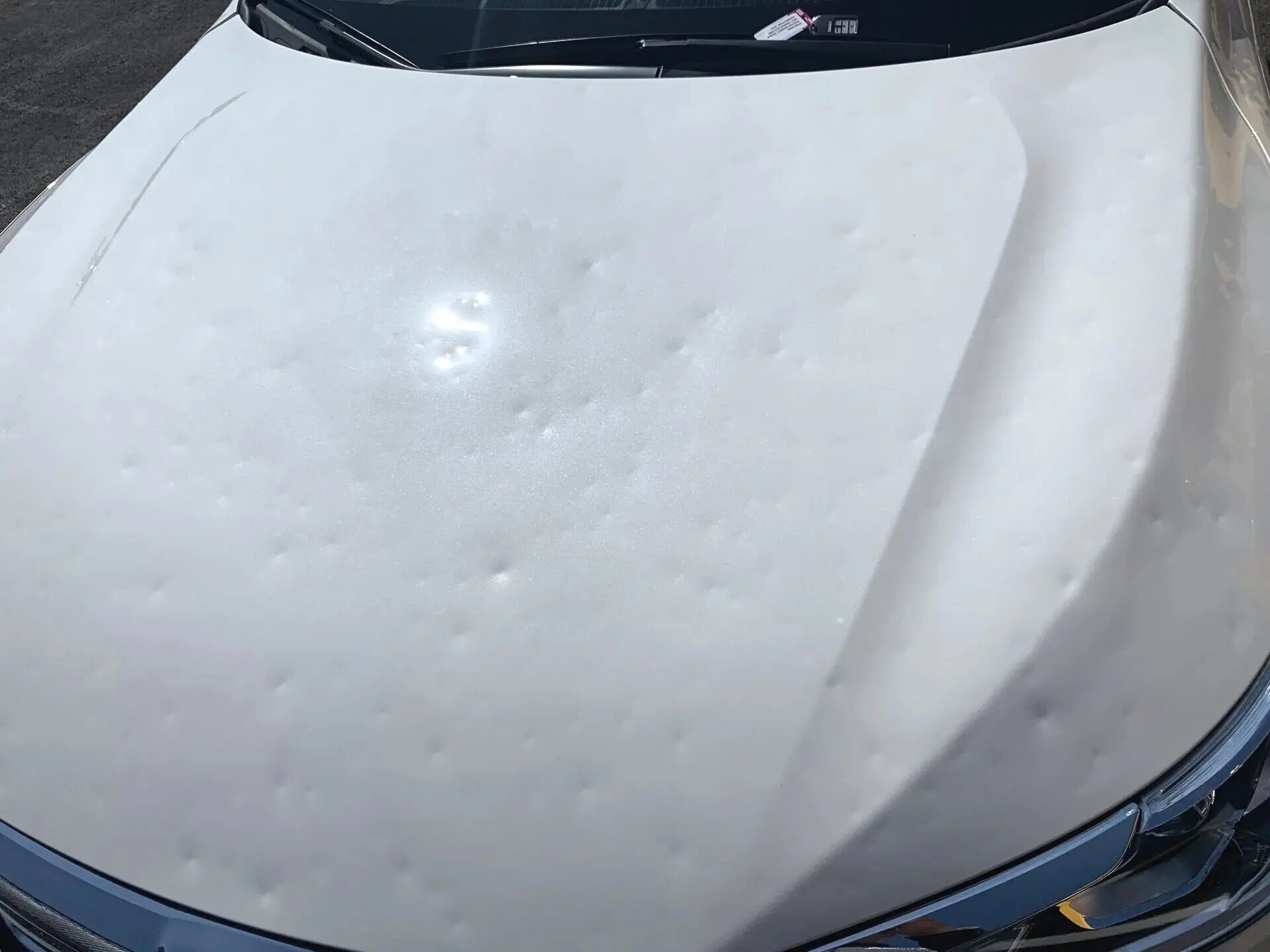
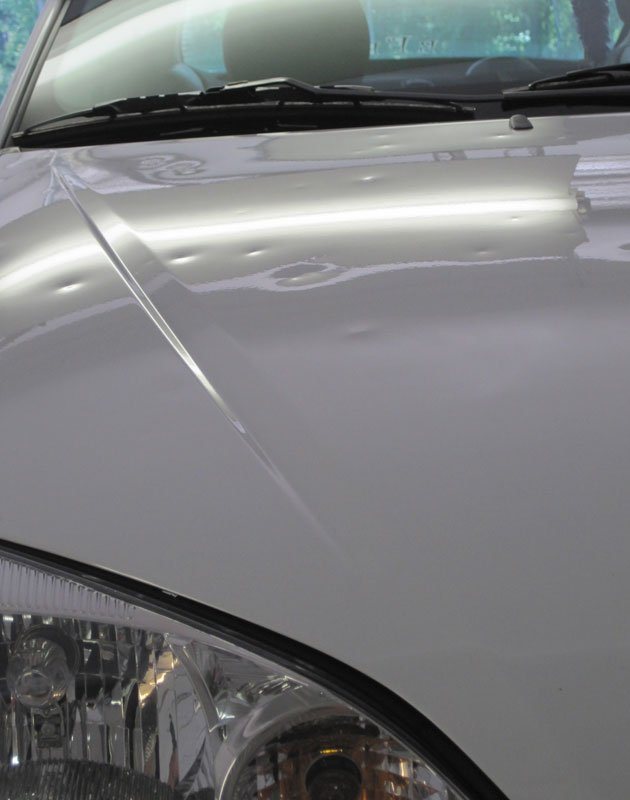
Hail damage is many round, shallow, soft-edged dents concentrated on the roof, hood and decklid, usually with the paint intact and a consistent directional lean.
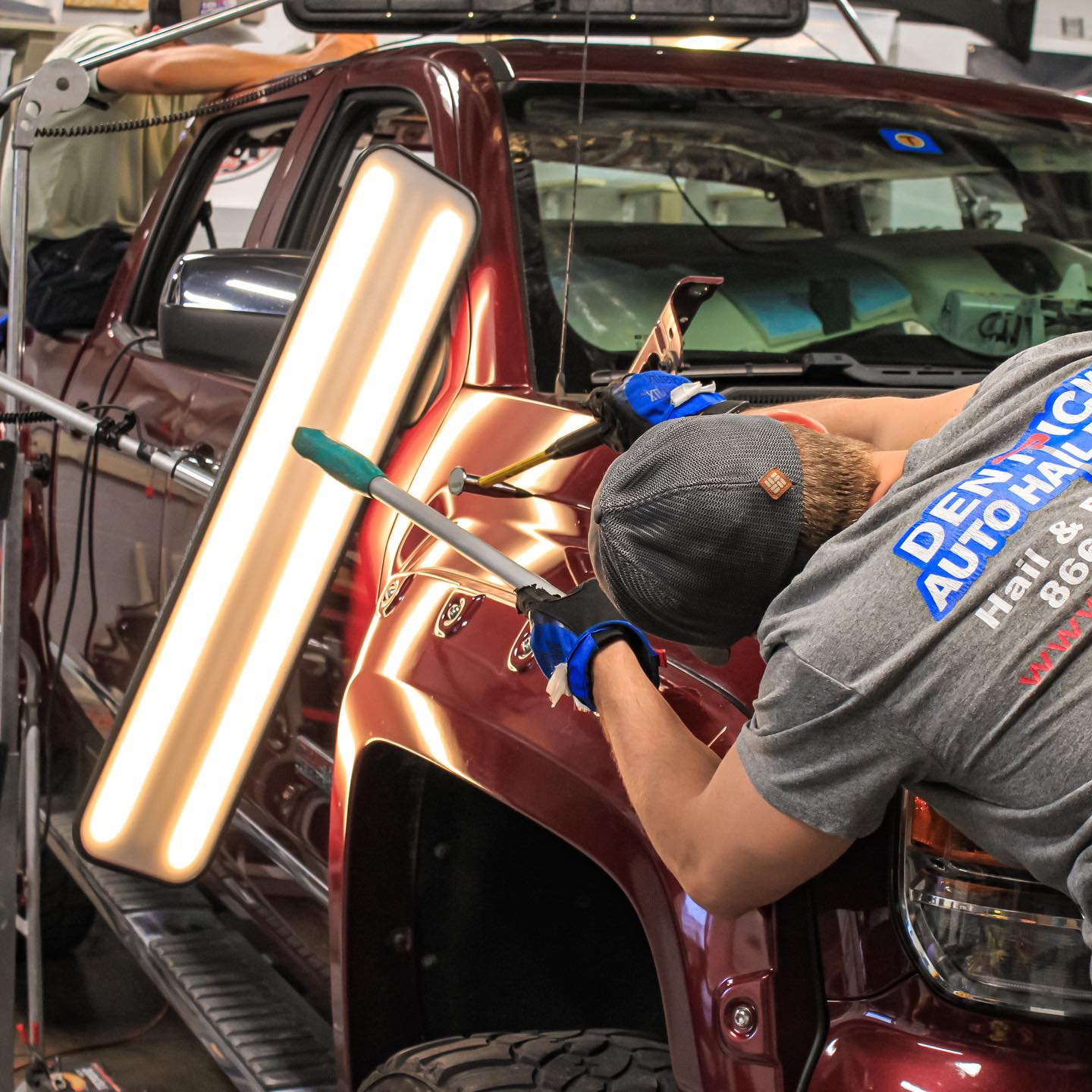
Do not guess a date. Photograph every panel first, then bracket the window between the last time the car was undamaged and today, and check NOAA storm reports and your local National Weather Service office for hail-producing storms inside that window.
Pay cash when the repair costs less than your deductible, which covers most single door dings and small dents. File a claim when hail has damaged several panels, when a panel needs replacement or refinishing, or when glass is involved.
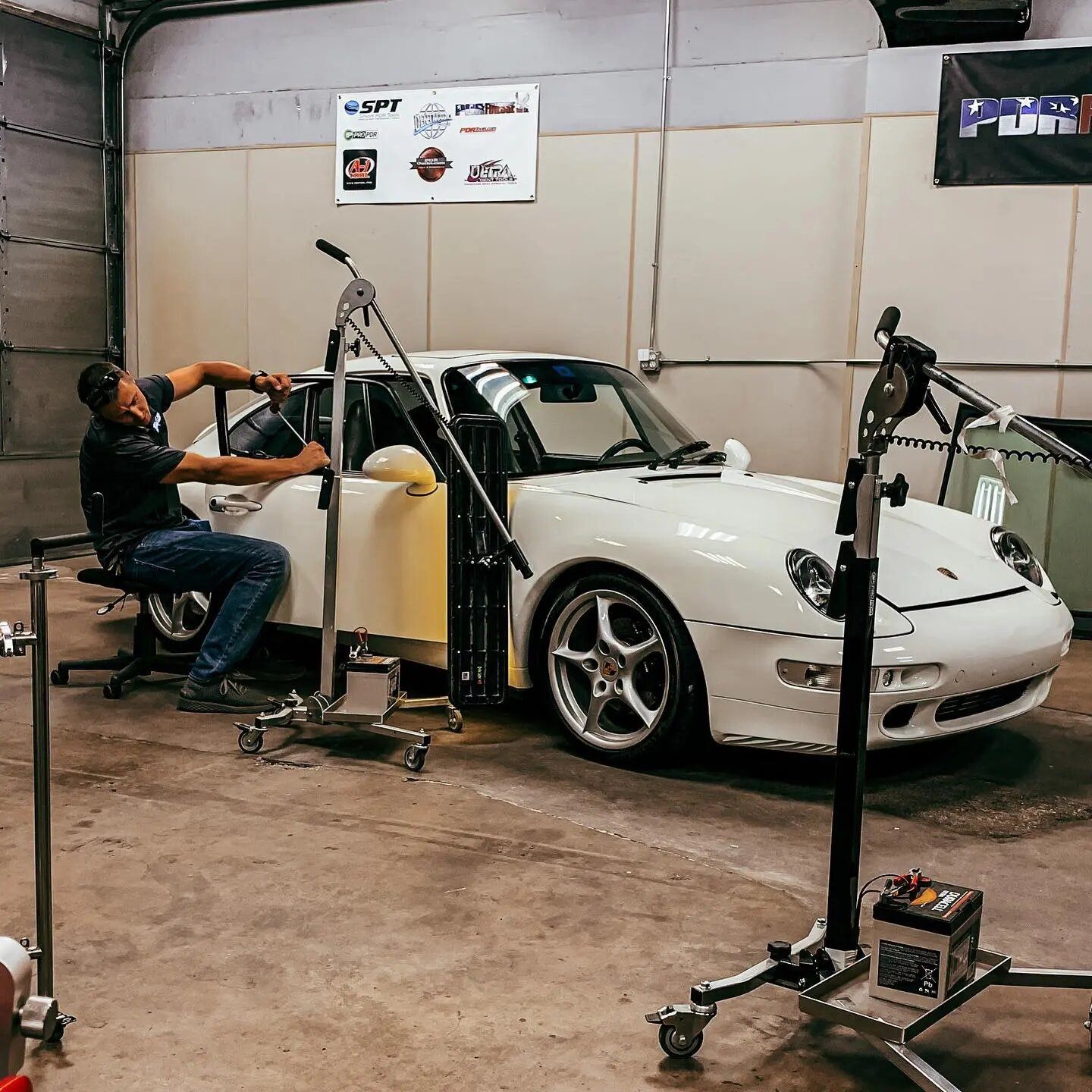
Paintless dent repair does not extend a manufacturer warranty, but it is the method least likely to disturb one.
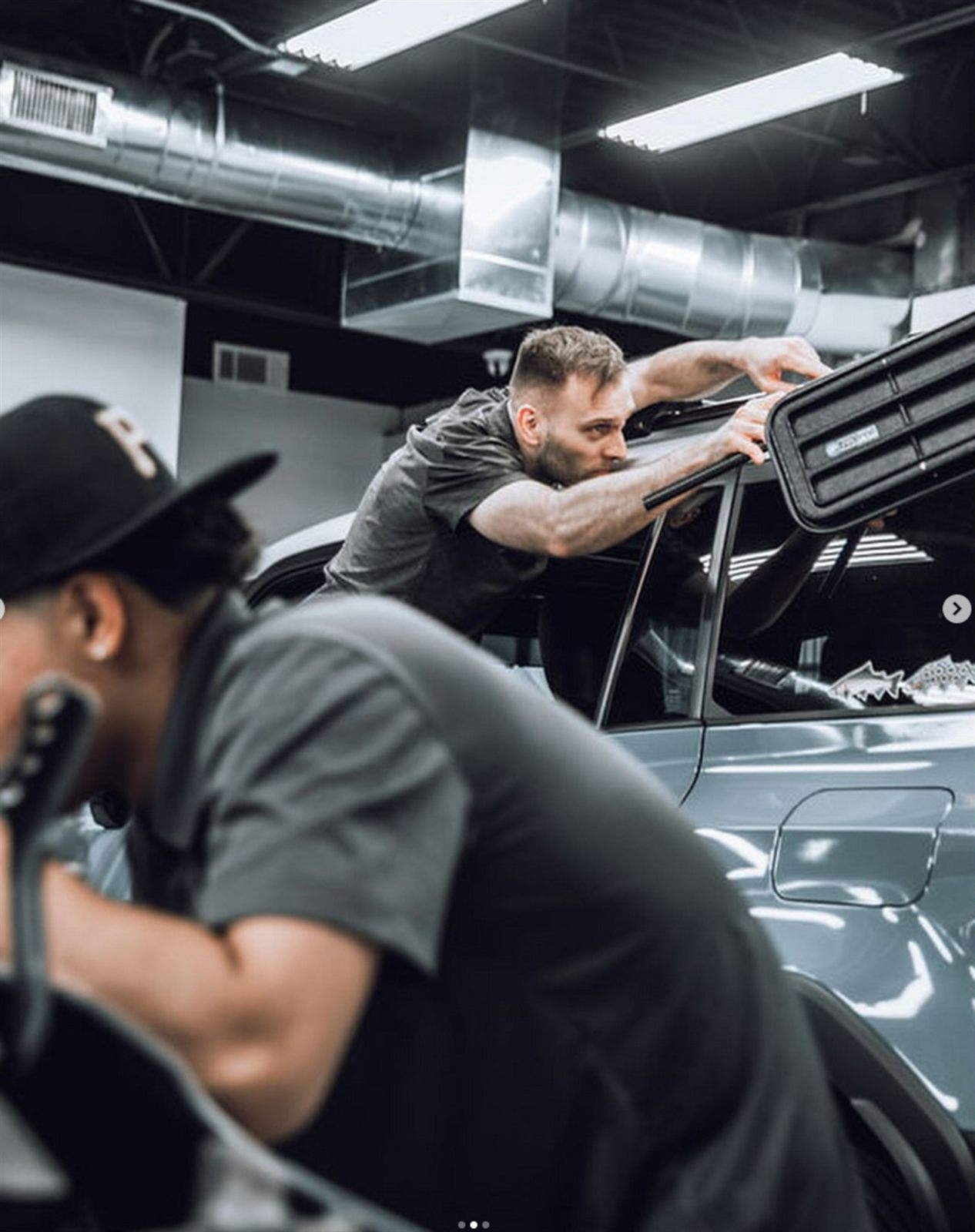
Verify the claim rather than the word. Texas does not license PDR technicians, so any certification comes from a private training organization, tool vendor, association, insurer or the business itself.
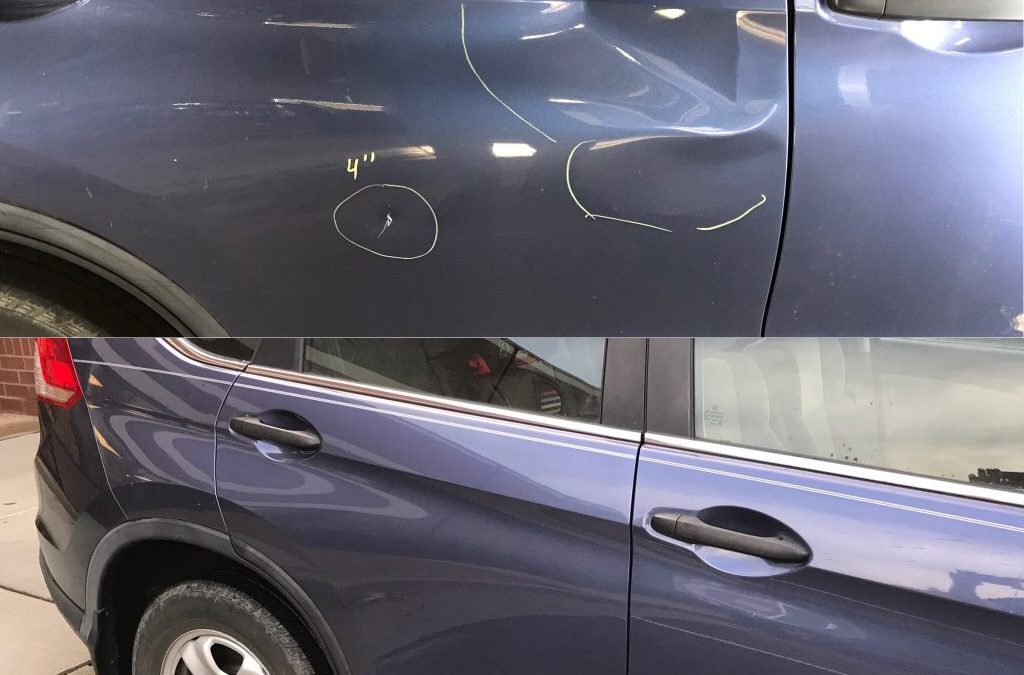
Usually yes. Paintless dent repair works on many repainted panels, especially where the respray was well prepped and the dents are shallow.
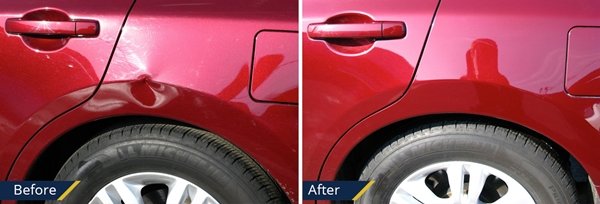
Often yes, and it is usually the best option for preserving originality, because nothing is sanded, filled or repainted.
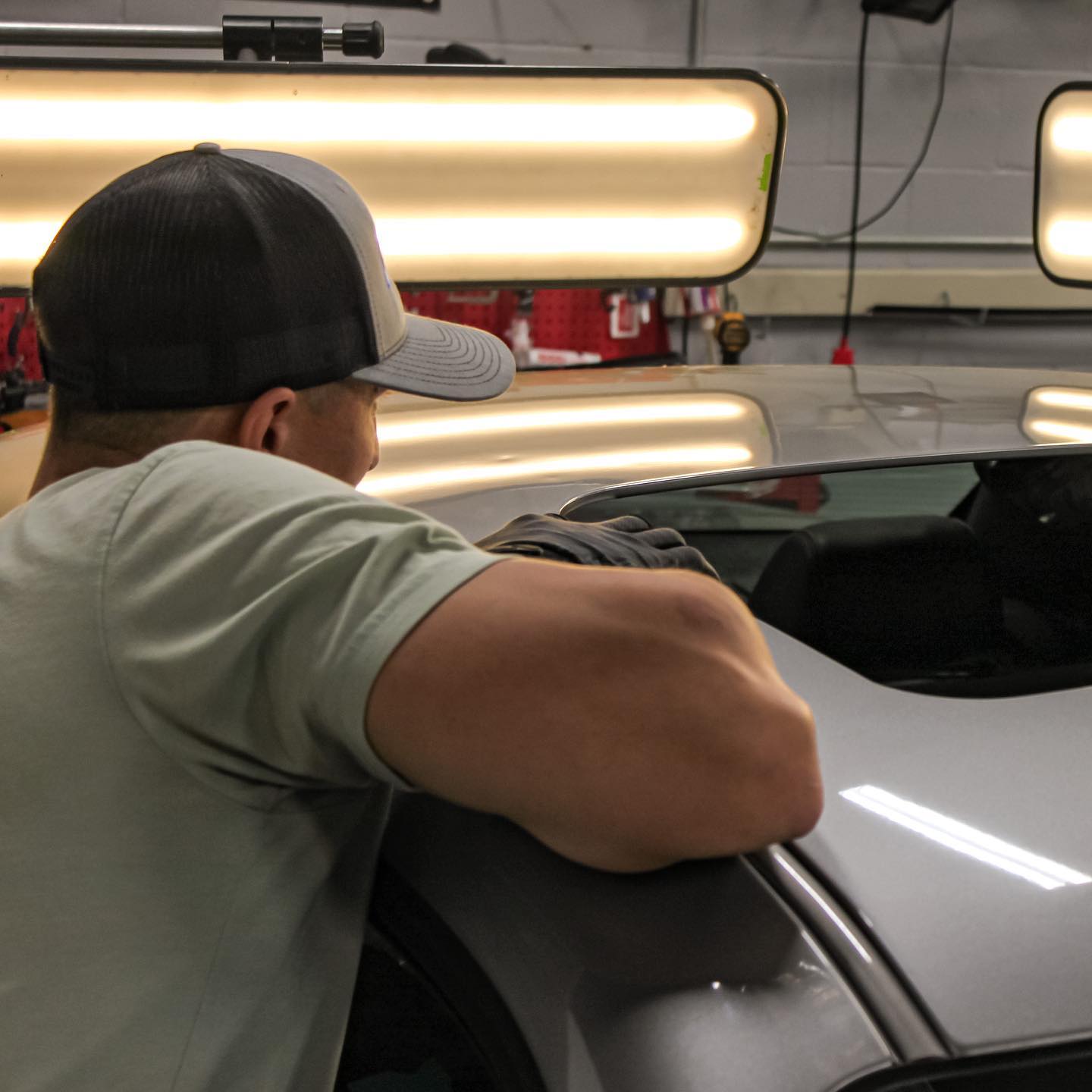
Yes. A good photo set supports a verbal range in about 30 minutes, which is usually enough to decide whether the damage is worth a claim.
It changes the math, not the rules. Prepaid wear coverage waives excess wear charges up to a stated cap, usually with per-item limits and an exclusion list, so small covered dings can often be left alone.
Send us photos of the damage or schedule an inspection at the Plano shop — we'll tell you honestly what your vehicle needs, what it should cost, and whether a claim makes sense.
Someone from the team will get back to you. If it is urgent, call (866) 336-8767 and you will reach the Plano shop.