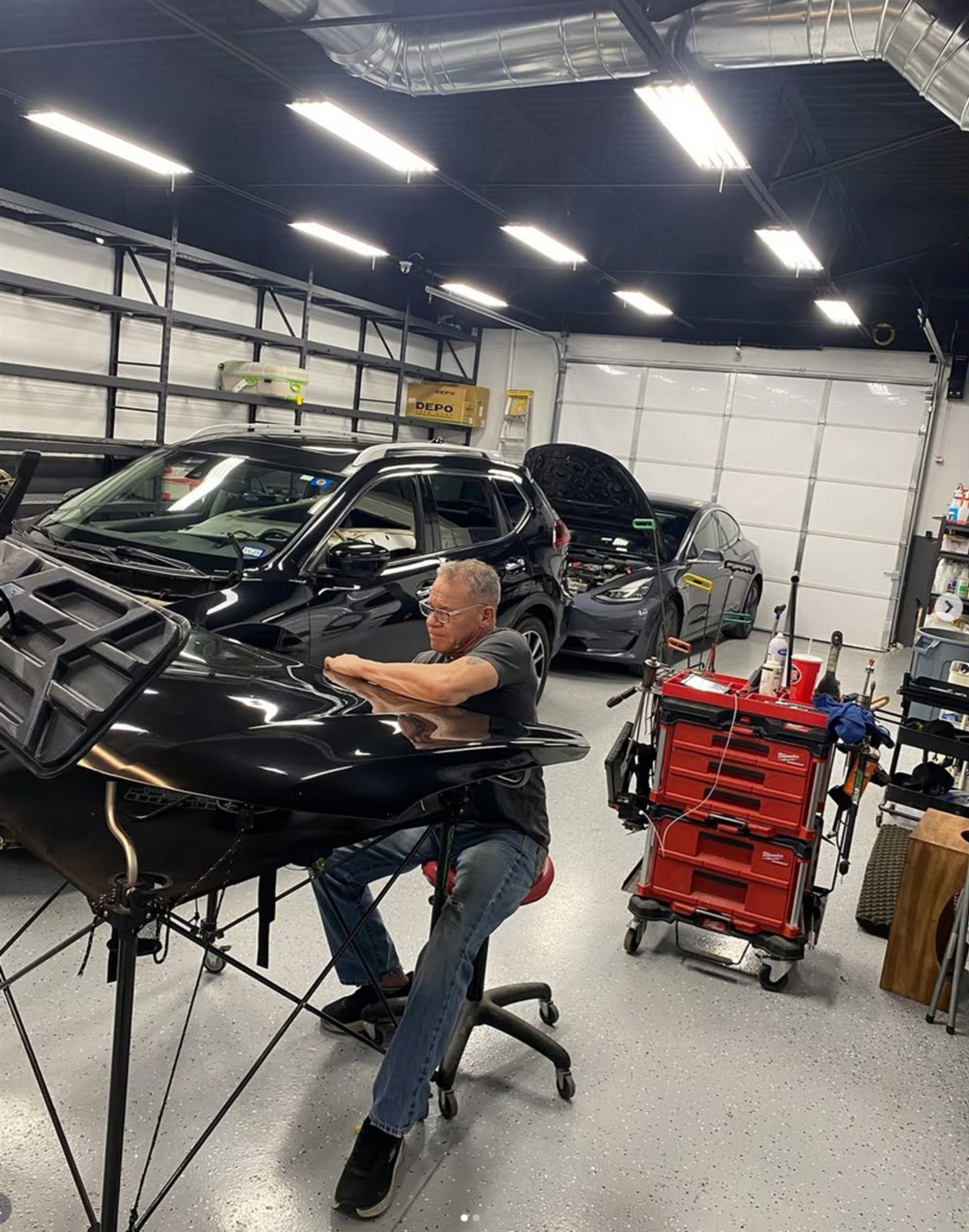
Every guide is grounded in real repair work at our Plano shop and technically reviewed by founder Vytas Kucinskas before it carries the reviewed label. Sources and review dates are shown on every page.
Call the shop that did the work — do not live with it and do not let another shop open the trim first.
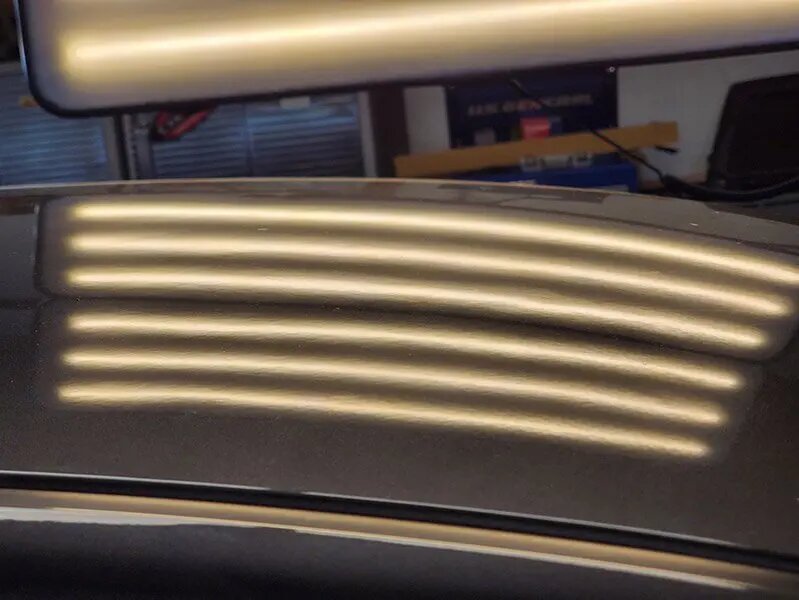
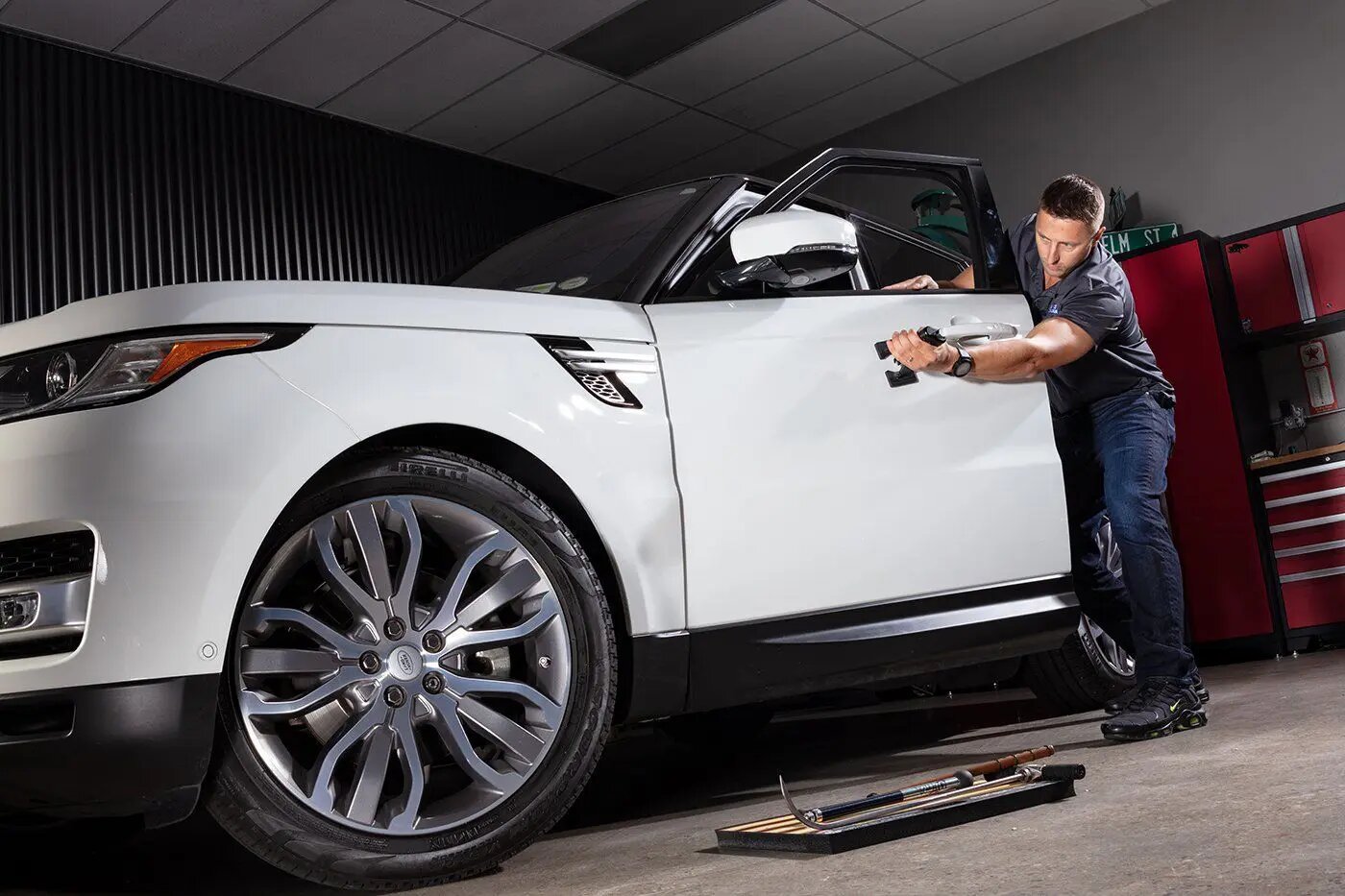
Trim comes off for three reasons: it opens a genuine path to the back of the panel so a rod can reach the dent, it lets the whole panel including its hidden edges be read under reflection lighting, and it keeps tools…
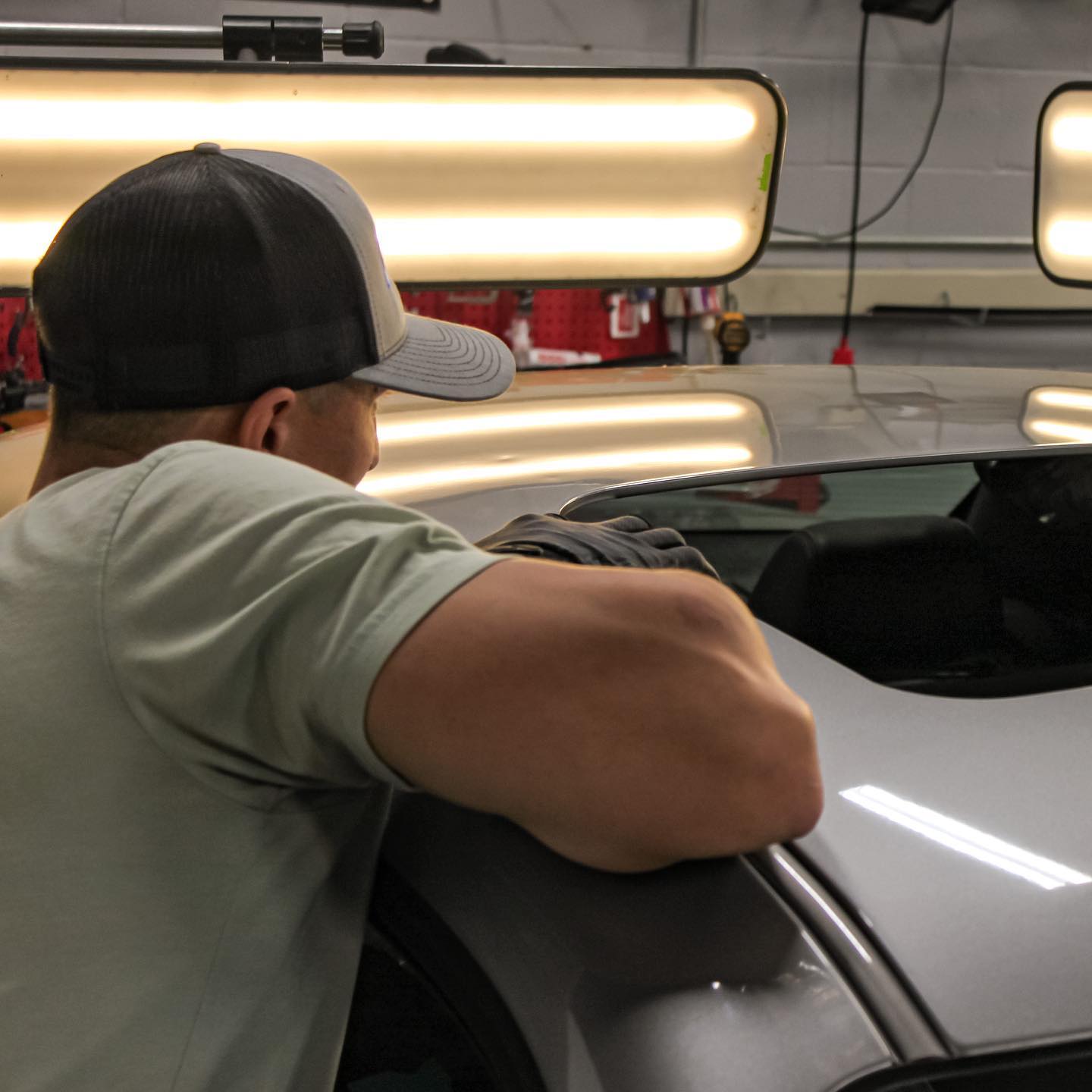
No. Paintless dent repair adds no new coating, so there is no cure time — you can wash, wax, seal or polish the same day. Two things change that.
It gives the shop written permission to perform the repairs described in a specific estimate, and to move and test drive your vehicle while doing so. Most forms also direct your insurer to pay the shop directly.
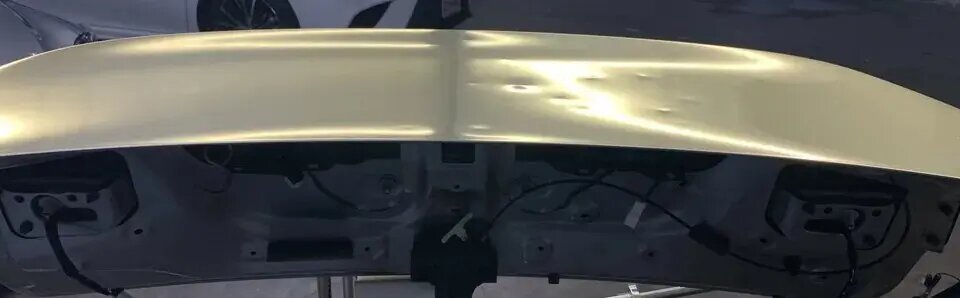
Glue pull repair bonds a plastic tab to the outside of the painted panel with hot-melt adhesive, applies controlled outward force through it, then releases the tab with alcohol.
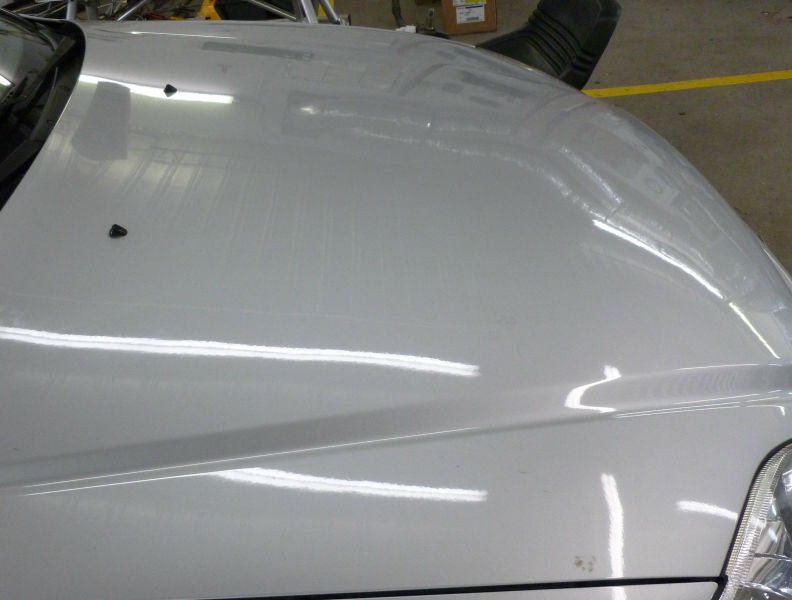
Push-to-paint is a repair where a PDR technician works the dent back into shape from behind, then the panel is primed and refinished rather than keeping the original paint.
A panel should be replaced rather than repaired when the metal is torn or split, when the finish is destroyed across a large area, when the metal is stretched beyond what shaping can recover, or when the back of the panel cannot…
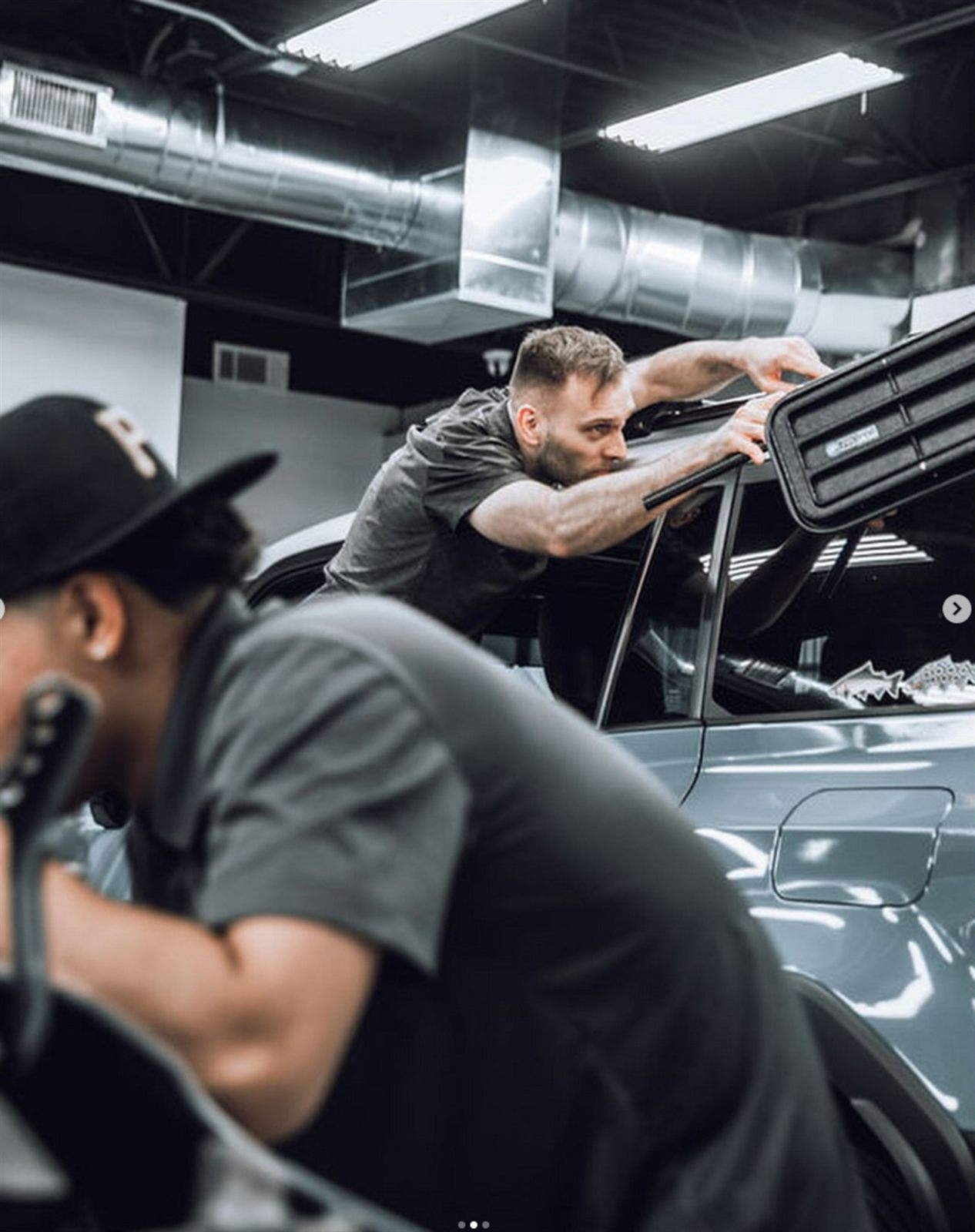
It is treated as a new loss, not a warranty claim. A panel repaired paintlessly can usually be repaired again, because PDR restores the contour without adding filler. Expect a second claim, a second loss date and a second deductible.
Because someone besides you has a financial interest in the vehicle.
Because a panel edge is not a single sheet of metal. Most edges are a hem — the outer skin folded back on itself, bonded with adhesive and clamped around an inner frame — so the metal is double-thick, far stiffer, and…
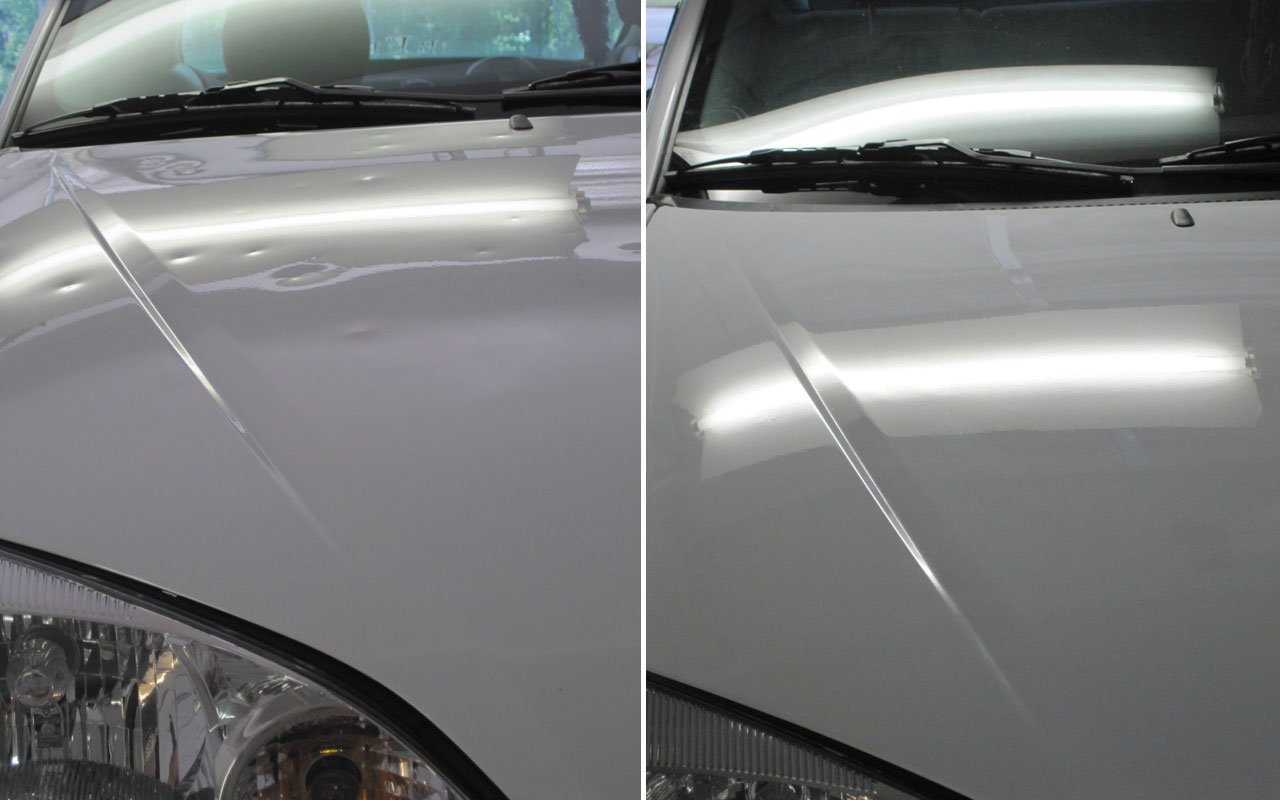
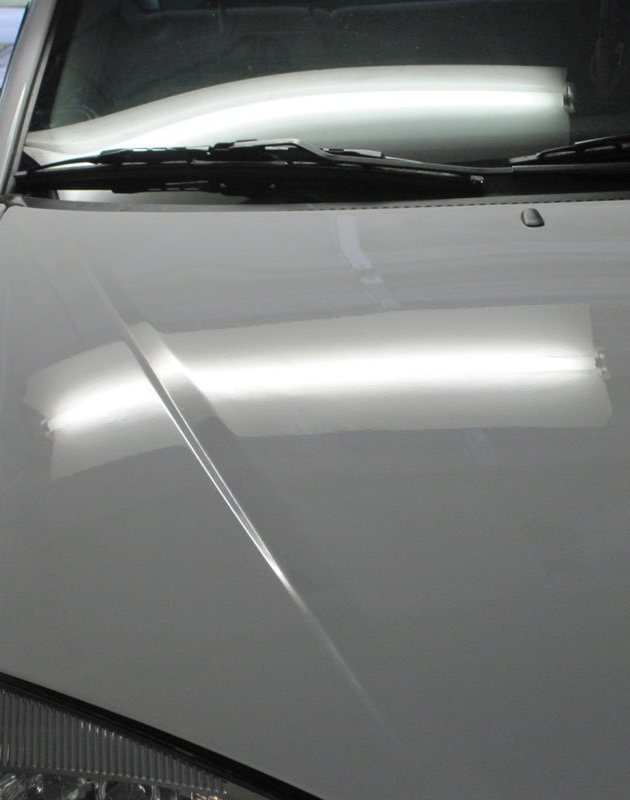
Because outdoor light hides shallow damage. A dent has no color of its own — it is only visible as a distortion in a reflection, and diffuse daylight gives the paint nothing straight to reflect.
Calibration is normally required when a sensor or its mounting has moved.
Send us photos of the damage or schedule an inspection at the Plano shop — we'll tell you honestly what your vehicle needs, what it should cost, and whether a claim makes sense.
Someone from the team will get back to you. If it is urgent, call (866) 336-8767 and you will reach the Plano shop.