
Every guide is grounded in real repair work at our Plano shop and technically reviewed by founder Vytas Kucinskas before it carries the reviewed label. Sources and review dates are shown on every page.
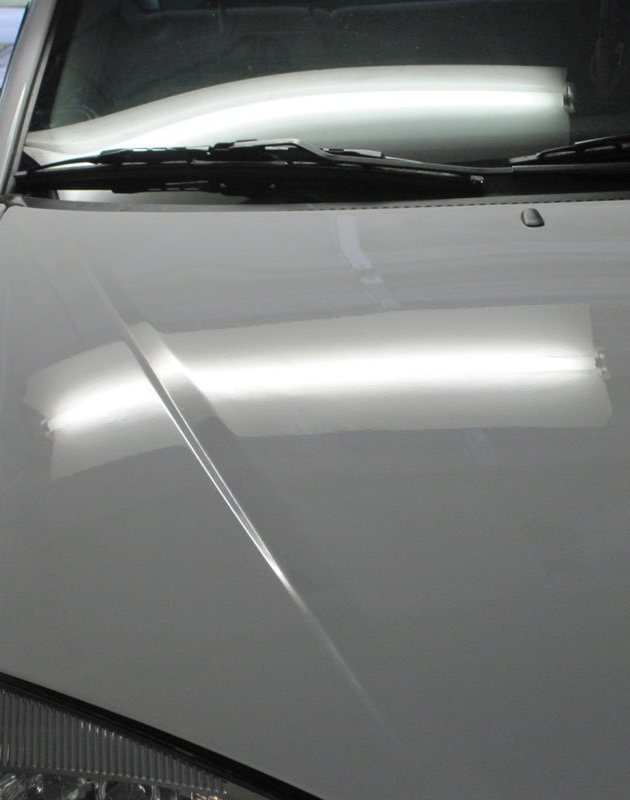
The main differences are time, tooling and access. Ford moved the F-150 to a largely aluminum-alloy body beginning with the 2015 model year, and aluminum has less spring-back, work-hardens faster and cracks more readily at sharp creases, so each dent takes longer.…
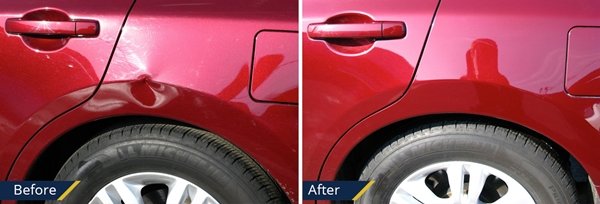
Often yes. Body-line and aluminum-panel dents on an Audi are frequently repairable without paint, but they sit at the demanding end of PDR: the crease locks the metal in two directions and aluminum work-hardens as it is moved.
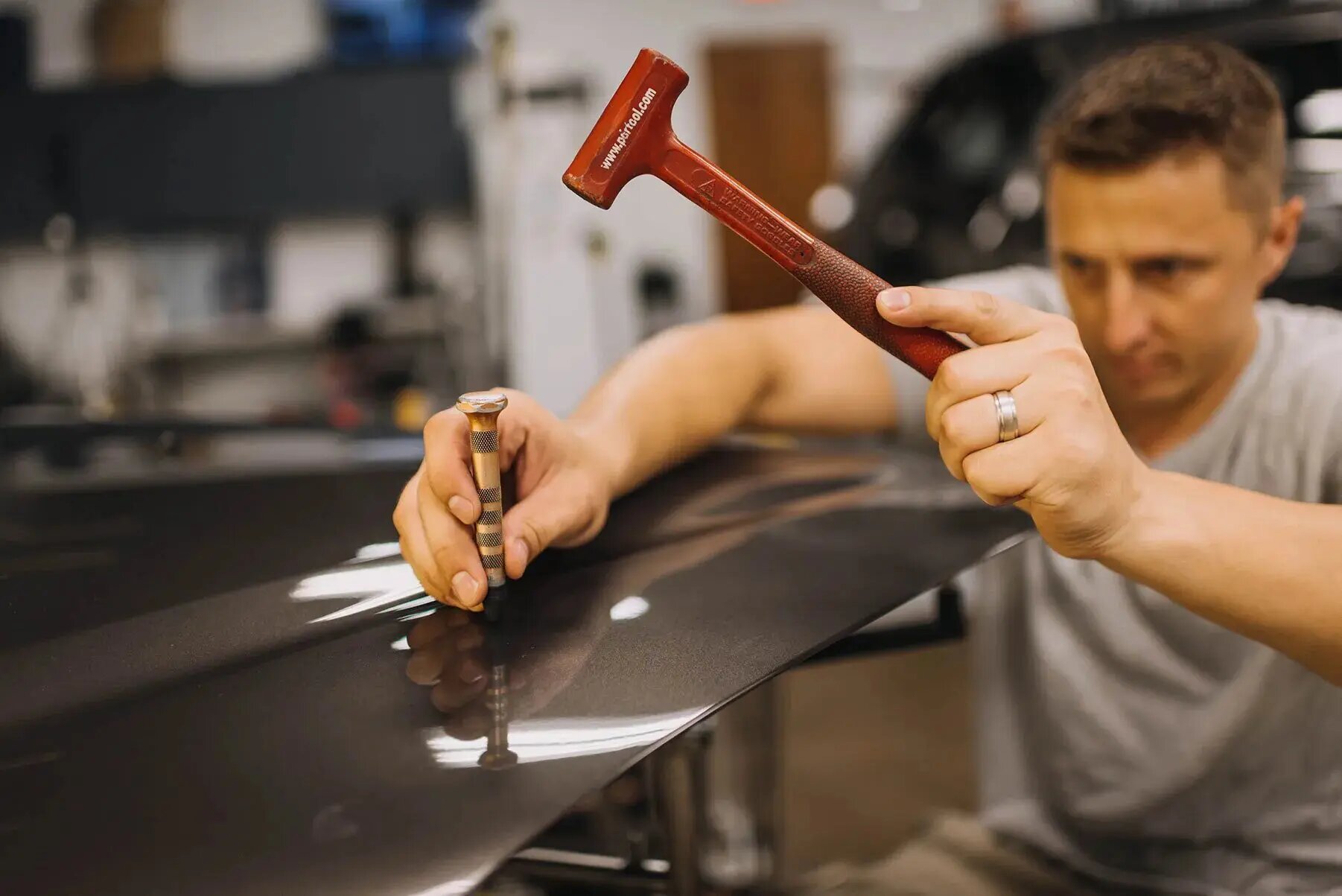
No. Paintless dent repair works because metal is displaced but retains its original shape and can be guided back.
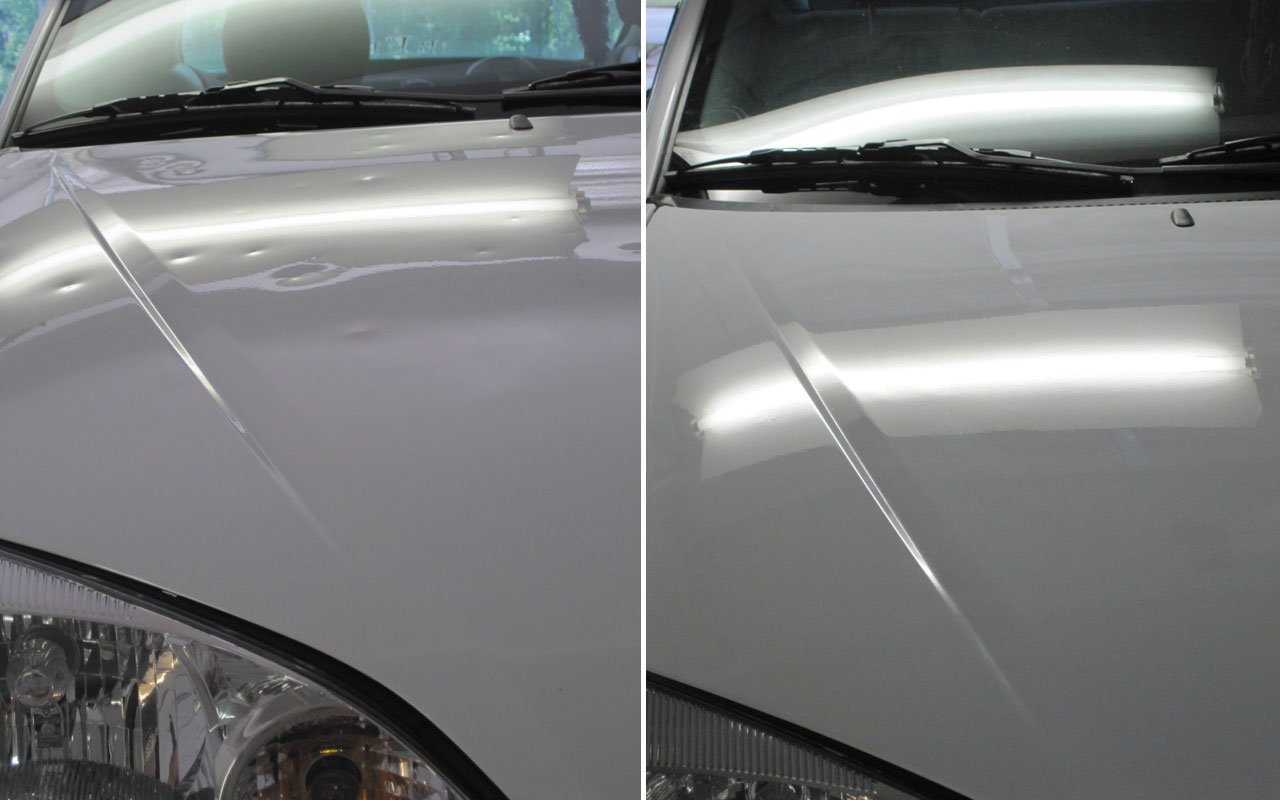
Technicians work through five checks in order: is the metal intact, is the finish savable, can the back be reached, how far has the metal stretched, and what prior repairs are present. The first failure decides the route.
They restrict heat, welding, drilling and how the vehicle is lifted and stored — which is why paintless dent repair suits EVs well.
Hail deforms body panels; it does not reach the battery pack, drive units or wiring. The panels take the same assessment as any pickup, with aluminum carrying more hours per dent and bed sides often lacking tool access.
Usually yes, if the damage is in an outer skin. Hoods, roofs, doors, fenders and quarter panels use formable steels that respond to paintless work, though thinner, higher-strength skins spring back more and need smaller increments and more passes.
Two things change. Access improves, because doors, roof panels and fender flares unbolt, letting a technician reach the back of the metal directly instead of working blind.
Access decides most of it. Recent Land Rover and Range Rover bodies use aluminum extensively and are assembled with adhesive and fasteners rather than spot welds, so bonded seams block the routes a rod would normally take.
Yes, in most cases. Paintless dent repair works the metal from behind or lifts it with temporary adhesive tabs, so the factory primer, basecoat and clearcoat stay exactly where the plant put them — a repaired panel still measures and matches its…
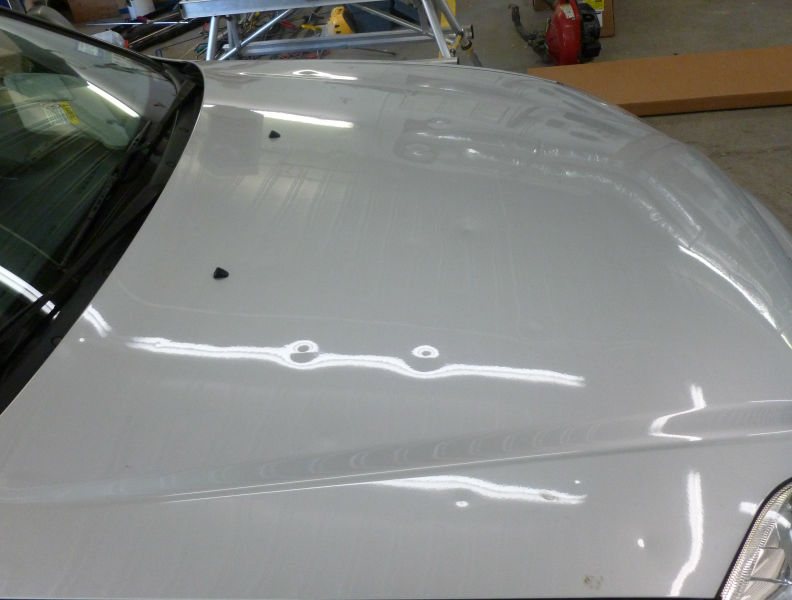
Aluminum panels are repairable paintlessly, but the work is slower and less forgiving. Aluminum has little spring-back, work-hardens quickly under repeated working, and cracks at sharp creases where steel would flex.
Usually yes, and it is normally the preferred route. Paintless repair keeps the factory finish untouched, which matters more on matte because the coating cannot be polished and sheen is difficult to match across a refinish boundary.
Send us photos of the damage or schedule an inspection at the Plano shop — we'll tell you honestly what your vehicle needs, what it should cost, and whether a claim makes sense.
Someone from the team will get back to you. If it is urgent, call (866) 336-8767 and you will reach the Plano shop.