Every guide is grounded in real repair work at our Plano shop and technically reviewed by founder Vytas Kucinskas before it carries the reviewed label. Sources and review dates are shown on every page.
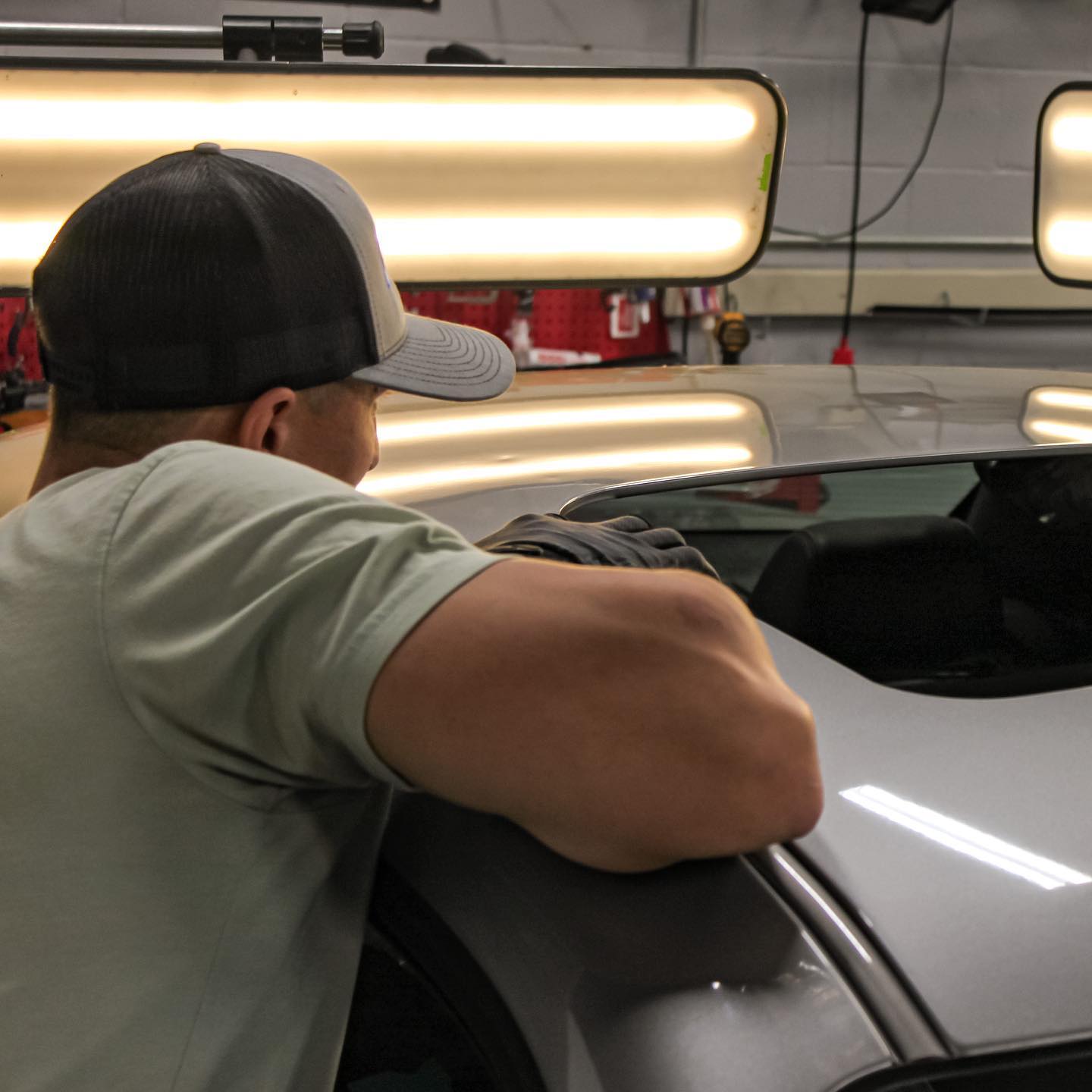
A proper hail inspection reads every exterior panel under reflection lighting, records dent count and severity per panel, and judges paint condition, metal stretch, panel access and prior repairs. It also covers glass, lamps, seals, sunroof drains and any driver-assistance faults.
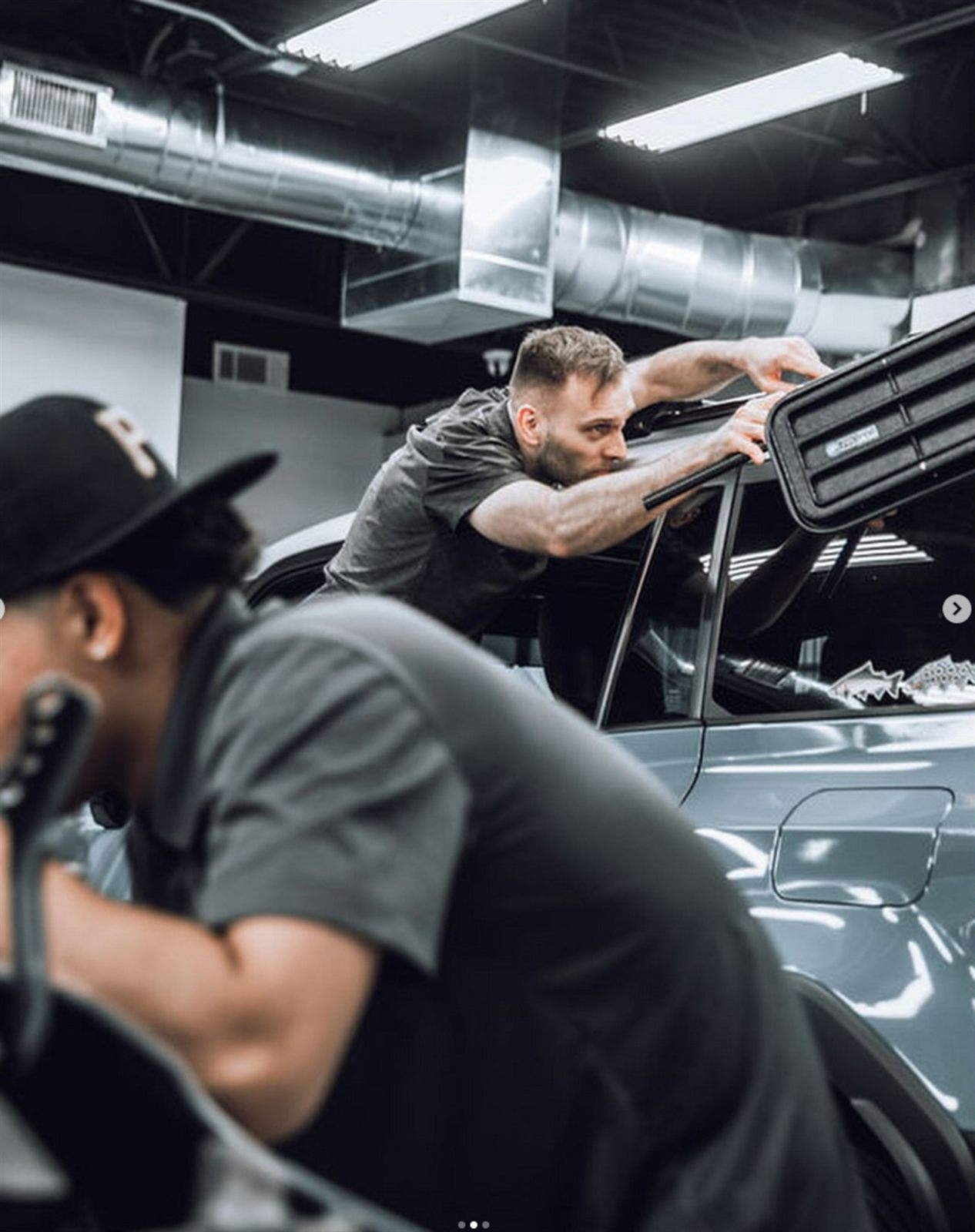
A lifetime PDR warranty should cover workmanship on the panels the shop repaired: the dent staying out, the finish quality of the repaired area, and any damage caused during the repair itself.
It covers every repaired panel under reflection lighting, read both close up and from several steps back, looking for residual lows, high spots, tool rings, glue residue, cracked paint and distorted body lines.
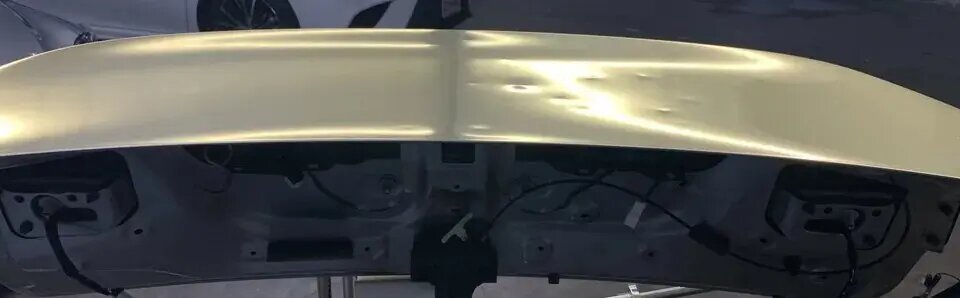
A written PDR estimate should identify the vehicle by VIN, list each damaged panel as its own line item, and show the basis for each price: dent count, dent size and access difficulty.
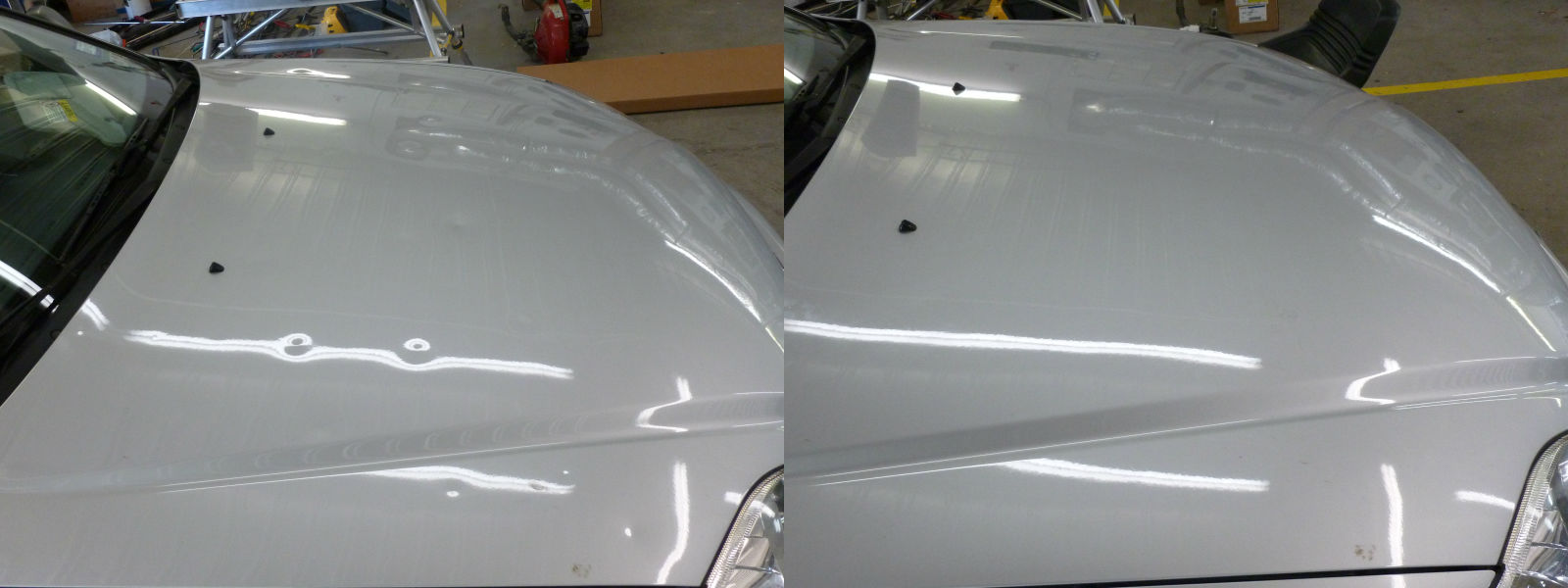
Photos prove that damage existed, that a panel kept its factory paint, and that body lines were restored. They cannot prove a panel is flat, because diffuse light, head-on angles, wet paint and tight crops all hide shallow ripples.
Hail around one inch across — quarter-sized — is where dents on vehicle sheet metal become common, and it is also the National Weather Service severe threshold.
Stretched metal means the impact thinned and elongated the panel, so the dented area now holds more material than it did from the factory.
Bring the vehicle reasonably clean, your claim number if you have filed, your insurance card or policy number, any estimate already written on the car, and all key fobs plus the wheel lock key.
Get a second opinion when the estimate was written outdoors or in under ten minutes, when it calls for replacing panels that still have intact factory paint, when it is far below every other number because the shop is absorbing your deductible…
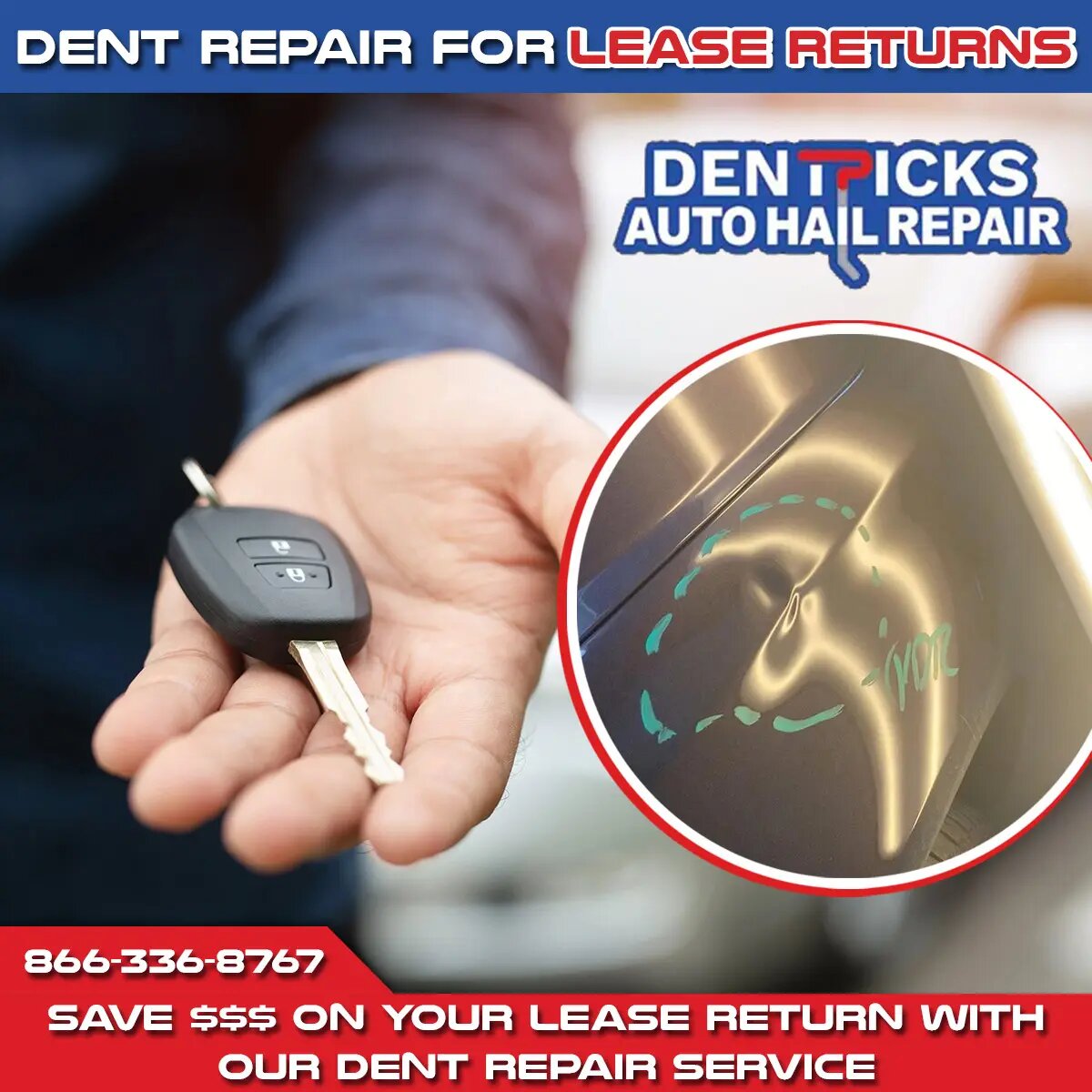
Repair anything larger than your lease's size threshold, creases crossing a body line, hood and roof dents, clusters of dings on one panel, and any dent with cracked paint.
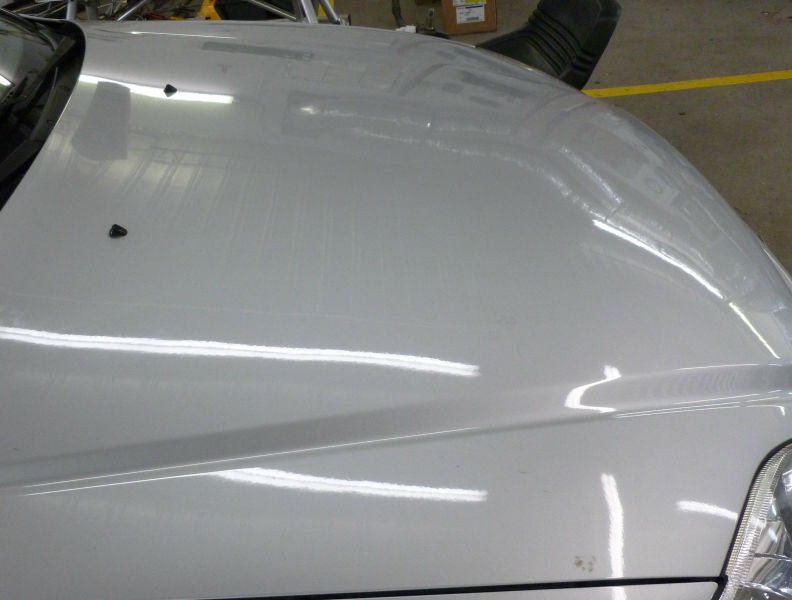
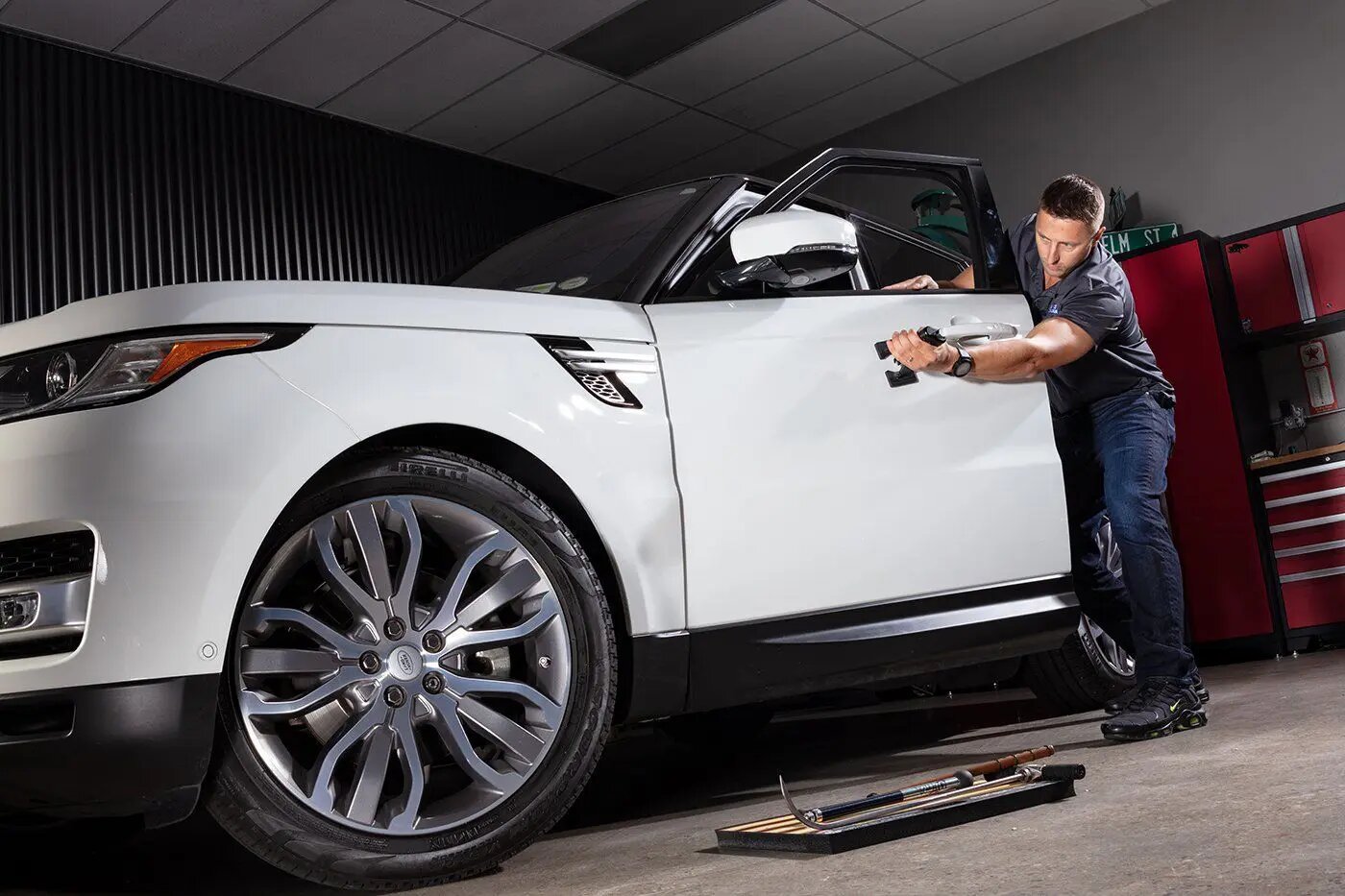
By deciding how far the door has to come apart, then following a set sequence. Many door dents are glue pulled from the outside with nothing internal touched.
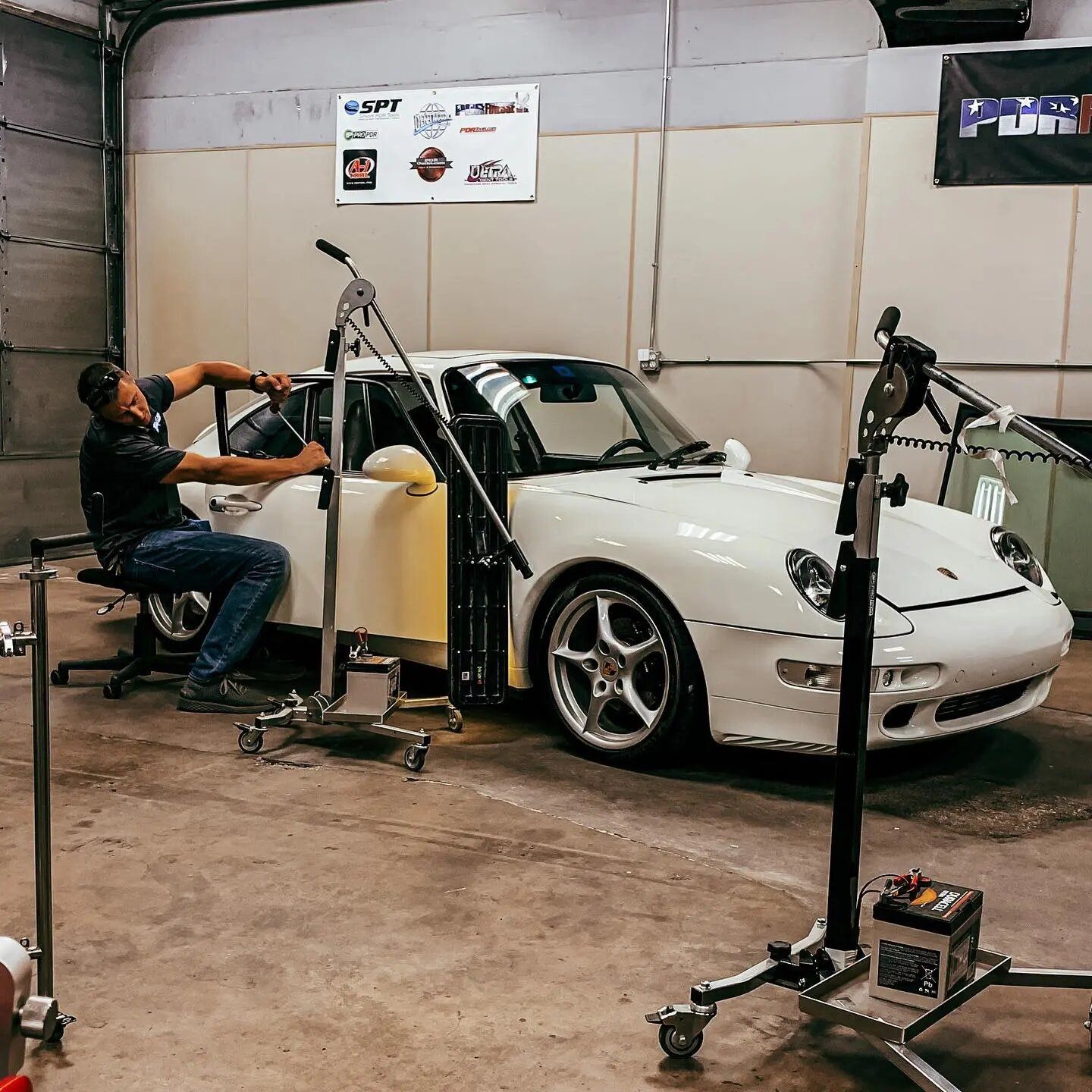
Usually yes. Most BMW dents sit on outer skin panels, and both aluminum and high-strength steel skins are repairable with paintless dent repair when the paint is intact and the back of the panel can be reached.
Send us photos of the damage or schedule an inspection at the Plano shop — we'll tell you honestly what your vehicle needs, what it should cost, and whether a claim makes sense.
Someone from the team will get back to you. If it is urgent, call (866) 336-8767 and you will reach the Plano shop.